ALBERTA'S LANDSCAPE COULD CHANGE FOREVER.
In early 2025, the provincial government quietly lifted the coal moratorium, which had been put in place in 2022 after massive public opposition to new coal. This decision allowed coal exploration activities to resume across Alberta's Eastern Slopes, which are home to our headwaters, despite the fact that over 70% of Albertans oppose any new coal.
Coal companies are already preparing to submit new mine applications, and policy reversals have already cost Albertans hundreds of millions of dollars in lawsuits and settlements. Even at the exploration stage, coal activities have caused habitat fragmentation, land disturbance, and risks to water quality.
We envision a future grounded in clean water, healthy ecosystems, and sustainable industries that benefit Albertans over the long term. To achieve this, Alberta needs a complete ban on coal mining to protect headwaters, and to prevent further environmental and economic harm.
our eastern slopes
Too Important to Risk
The Eastern Slopes of the Rockies run from the southern edge of the Alberta border through to north of Jasper National Park. The Eastern Slopes are critical because:

They provide nearly 2 million Albertans with our drinking water.

They contain the iconic landscapes and wildlife that draw people from all over the world to Alberta.

They support Alberta’s diverse agriculture, ranching, tourism and recreation economies.
They provide Albertans with amazing areas to recreate, connect with nature, and nourish our mental and physical health.

They are important traditional lands where Indigenous peoples exercise their Treaty rights.

COAL IN ALBERTA
Key Issues
Impacts of Coal
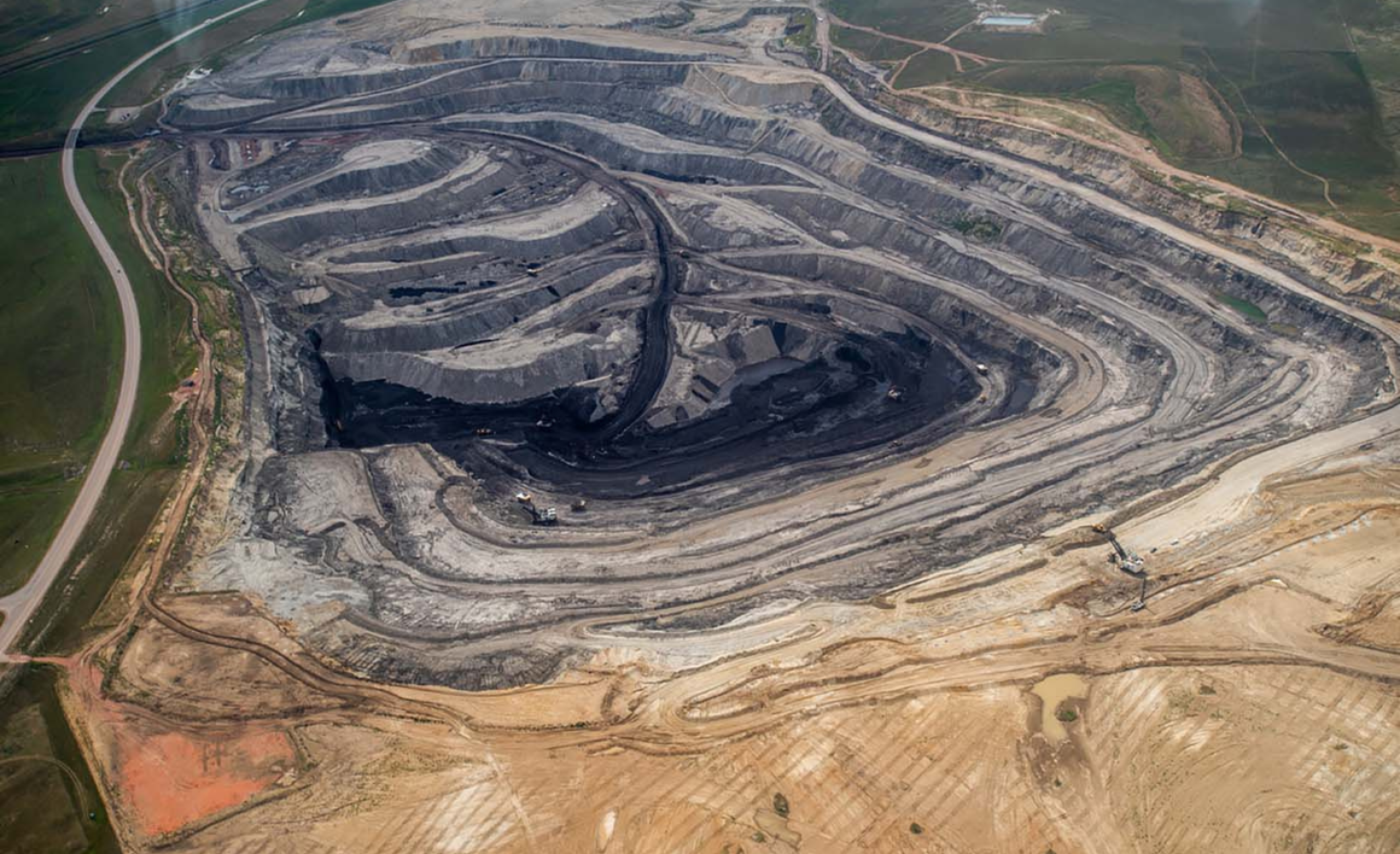
Coal exploration and mining in Alberta’s Rockies pose serious threats to the environment, communities, and local economies. Even before mines are built, exploration has caused habitat fragmentation, noise disturbance, water sedimentation, and increased risk to species-at-risk like native trout. Full-scale coal development would release selenium and other pollutants that pollute air, contaminate water, harm fish, and damage ecosystems. Ongoing policy instability has also cost Albertans hundreds of millions of dollars in lawsuits and settlements. These projects put sustainable industries like agriculture, tourism, ranching, and recreation at risk for short-term gains, threatening the well-being, livelihoods, and communities that depend on healthy land and clean water — in other words, all of us.
Grassy Mountain Coal Project
The Grassy Mountain coal mine was rejected in 2021 by both the Alberta Energy Regulator and the federal government as not in the public interest, due to serious environmental, economic, and Indigenous rights concerns. Despite this, in May 2025 the Alberta Energy Regulator approved new exploration activities for the Grassy Mountain Coal Project. Australian-owned Northback Holdings is now preparing to submit an application for a full mining operation, and has already claimed that the project is exempt from Alberta’s ban on open-pit coal mines.
Coal Industry Modernization Initiative (CIMI)
The Government of Alberta announced the forthcoming Coal Industry Modernization Initiative (CIMI) in early 2025, which will ostensibly replace the 1976 Coal Policy to guide how new coal exploration and mining will proceed across Alberta. It is currently being developed exclusively with coal companies, with no public or Indigenous consultation. By excluding the public and Indigenous communities, CIMI is positioned to prioritize industry interests over environmental protection, water health and security, and the will of more than 70% of Albertans. It is expected to be released in 2026.
Coal Mining Effluent Regulations (CMER)
Coal mines release pollutants like selenium and heavy metals into rivers and streams, threatening aquatic life and impacting downstream communities. Effects can last for decades past the mine's closure, as a study revealed recently at Crowsnest Lake. This is why it's critical that Canada’s new Coal Mining Effluent Regulations (CMER) be based on what aquatic life can safely tolerate, NOT on what is easiest for coal companies to achieve.
Myth Busting Coal Facts
There has been a great deal of information circulated by the Government of Alberta on coal in the last few months, but much of it has been — at best — disingenuous and misleading, if not outright dishonest. We’ve put together a list of 12 FACTS about the new direction on coal in our province, so you can be crystal clear on what’s happening on an issue that impacts all Albertans.
A sustainable vision for
Alberta’s Eastern Slopes.
In 2022, more than 50 organizations, municipalities, and businesses, including CPAWS Southern Alberta, signed on to the community-led A Coal Policy for Alberta – 2022 and Beyond.
This forward-thinking Policy was created in response to the publicly available feedback submitted by thousands of Albertans to the Coal Policy Committee, and it offers a clear path away from coal. While this Policy recognizes existing mines and their presence on the landscape, it presents a vision for the future that encourages sustainable communities, a healthy, thriving environment, and consultation and engagement with Indigenous communities as equal partners on the landscape. It centres the wellbeing of future generations, ecosystems, and sustainable development.
This Policy was written by Albertans, for Albertans. People from across the province shaped it because they care deeply about the places that define us. It reflects the realities we face today while protecting the landscapes, wildlife, and water we all depend on. It reflects the realities we face today while protecting the landscapes, wildlife, and water we all depend on. It gives citizens, Indigenous communities, and stakeholders a way to work together toward a resilient and sustainable Alberta. It reflects the best of who we are and the future we want to protect.
LANDSCAPE OF COAL
Project Status Maps

Coal Project Status With Parks & Protected Areas
View historic, active, and proposed coal projects in the context of Alberta's provincial and national parks.

Coal Project Status with Alberta's Water Basins
View historic, active, and proposed coal projects in the context of Alberta's headwaters and water basins.

Grassy Mountain Coal Mine Project Status
View the footprint and project status of Northback's Grassy Mountain Coal Mine. Last updated: April, 2026.
TAKE ACTION
Protect Alberta's Rockies from Coal
Whether it’s the coal dust, soil erosion, water pollution, closed access to public lands, or the particulate matter entering our air, soil and water, Albertans across the political spectrum agree: Coal makes for a bad neighbour. The Government of Alberta MUST develop a coal policy that protects Albertans and our future. Send your letter today.
LEARN MORE
Related Articles
Survey Guide: Ghost-Kananaskis Sub-regional Plan Engagement
The issue with CIMI: There’s no modernizing coal