A THREAT TO ALBERTA'S PARKS AND PUBLIC LANDS
In December 2024, the Government of Alberta passed Bill 35, turning the All-Season Resorts Act (ASRA) into legislation. Since then, four new All-Season Resort Areas have been designated — Fortress, Nakiska, Castle, and the land associated with the Silvertip Gondola. All four designations have removed public lands from the protected areas system.
This includes:
929 hectares hectares of the Evan Thomas PRA
131 hectares of Spray Valley
54 hectares of the Castle
30 hectares of the Bow Valley Wildland Provincial Park
That's 1,144 hectares of land that used to be protected, and now isn't.
These lands belong to all Albertans, yet the All-Season Resorts Act has created a pathway for protections to be removed from sections of parks and protected areas to accommodate large-scale private resort development —without the public's consent.
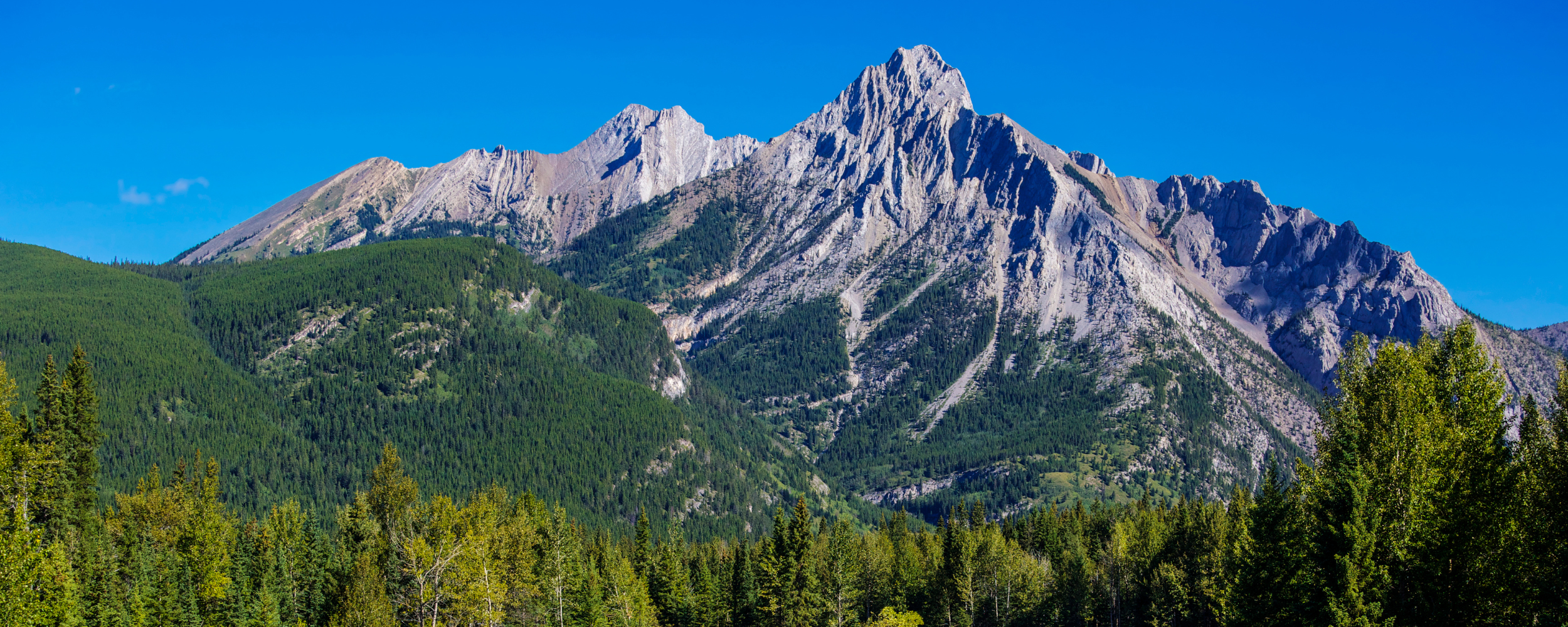
Photo Credit: Jordan Ubell
defend alberta parks
We've stood up for our parks before.
In 2020, thousands of Albertans pushed back against the government's plan to remove 175 parks from the provincial parks system — and we succeeded in stopping it.
It's time to once again to defend Alberta parks.
Once a protected area is changed or removed, the protection it provides can be difficult or impossible to replace. If we don’t act now, Alberta’s parks will continue to be chipped away and handed over to private development.
a world of benefits
Alberta's Parks
Alberta's parks and protected areas are protected for a reason. They are special places set aside and stewarded for future generations, so that we — and our children and grandchildren — can bike, camp, climb, hike, hang out, exercise Treaty Rights, and otherwise explore and enjoy the spectacular nature our province has to offer, from the desert badlands to the boreal forest. They provide long-term protection for important landscapes, wildlife habitat, and ecological processes.
That protection is weakened when boundaries can just be changed to accommodate private development.
Help mitigate climate change and create resilient ecosystems and communities
Support biodiversity

Maintain healthy watersheds

Connect wildlife

Provide recreation activities
How does the All-Season Resorts Act (ASRA) work?
The Act exempts any tourism development in ‘all-season resort zones’ from the normal environmental land-use planning, review and approval processes applied to all other public land use activities, circumventing and undermining the Alberta Land Stewardship Act (ALSA) and the Environmental Protection and Enhancement Act (EPA).
Alarmingly, it also gives the Minister of Tourism and Sport the power to de-list and remove protected area designations in order to create All-Season Resort Areas. Already, the provincial government has removed protections from nearly 3,000 acres of public parks and protected areas without public consultation. Those previously protected lands are now zoned as All‑Season Resort Areas, allowing private commercial development where it was previously not allowed.
This is an unprecedented transfer of land management powers to the Ministry of Tourism and Sport, which has never acted as a land manager, having neither the scope, experience, nor the capacity to do so.
What lands have been designated as All-Season Resort Areas?
Since the Act was introduced in 2024, four new All-Season Resort Areas have been designated — Fortress, Nakiska, Castle, and the land associated with the Silvertip Gondola. Once the area is designated as an All-Season Resort, resort companies are then able to move forward with proposals for year-round developments on the previously protected lands. Many more All-Season Resort Areas are expected in the coming years.
Fortress
In December 2025, the Government of Alberta designated the Fortress All-Season Resort Area under the All-Season Resorts Act, removing 131 hectares from Spray Lakes Provincial Park to enable commercial resort development. In June 2026, the government approved Fortress Mountain Resort’s master development plan with conditions, advancing plans for new lifts and gondolas, accommodations, commercial amenities, and up to 8,300 visitors per day at full build-out.
Located in Kananaskis Country, surrounded by Spray Valley and Peter Lougheed provincial parks, the development could compound existing pressures on wildlife movement, habitat connectivity, and water security. Increased visitation and infrastructure could also strain Highway 40, emergency services, and local recreation and tourism businesses across the region.
Mount Lady MacDonald
In September 2026, the Government of Alberta designated the Mount Lady MacDonald All-Season Resort Area under the All-Season Resorts Act, removing protected-area status from portions of Bow Valley Wildland Provincial Park to enable future commercial resort development. The designated area overlaps the Upper Silvertip Wildlife Corridor, an important wildlife movement corridor connecting Banff National Park to Kananaskis Country.
The proposed Silvertip Gondola could bring an estimated 300,000 visitors annually, with major infrastructure and increased human activity further disrupting wildlife movement through this already constrained landscape.
Nakiska
In December 2025, the Government of Alberta designated the Nakiska All-Season Resort Area under the All-Season Resorts Act, removing approximately 929 hectares from the Evan-Thomas Provincial Recreation Area designation to accommodate year-round resort development.
The designation places public lands in the Kananaskis Valley within a framework for future commercial resort development, raising concerns about the long-term protection of wildlife habitat, ecological connectivity, water security, and public recreation access in the region.
Castle
In December 2025, the Government of Alberta designated the Castle All-Season Resort Area under the All-Season Resorts Act, changing protected-area boundaries in the Castle region, including adjustments to Castle Provincial Park and the surrounding resort area.
The designation creates a pathway for future resort development in southwest Alberta’s sensitive mountain ecosystems, raising concerns about the long-term protection of wildlife habitat, watersheds, biodiversity, and public access to surrounding natural areas.
Tourism must support, not threaten, the very landscapes it relies upon.
Tourism development should be pursued as part of creating a sustainable, diversified provincial economy, which requires it to be implemented within a broader land management approach, and the land-use planning framework. This includes ensuring equitable, ecologically responsible access to recreation and tourism opportunities for current and future generations through long-term land management. However, this Act achieves none of this.
Instead, it:
- Contradicts long standing government policy and legislation, including the Kananaskis Country Recreation Policy, which was the result of robust public consultation that concluded Albertans’ desire for the future of Kananaskis to be about conservation, not large-scale commercial development.
- Flies in the face of recent public polling and survey responses for the development of a new Alberta Plan for Parks, which highlighted support for increased protected areas for conservation and low-impact recreation, not removing park status and increasing the risk of unsustainable development.
- Undermines the Alberta Land Stewardship Act (ALSA) and the Environmental Protection and Enhancement Act and the Natural Resources Conservation Board Act.
- Does not allow members of the public, stakeholders, or Indigenous Peoples to have a say in how and where All-Season Resorts are developed.
- Transfers land management to the Tourism and Sport Ministry, which has never been a land manager, and to staff in this Ministry who have no experience or expertise to carry out this role.
Let’s ensure a sustainable future for tourism, our economy, and our environment.
Sustainable tourism supports nature in Alberta because a healthy, regional-based tourism economy can generate revenue that can be reinvested in maintaining, improving, and even increasing our parks and protected areas.
Moreover, parks, protected areas, and public lands and waters pay their way (and then some) by providing ecosystem services that support all of our communities and industries, including tourism.
Once a protected area is changed or removed, the protection it provides can be difficult or impossible to replace. Send your letter today to help defend Alberta parks.
LEARN MORE
Related Articles
Alberta’s Red Tape Reduction Conservation Initiative
Tourism growth needs landscape-level planning