OVERVIEW
Coal Industry Modernization Initiative
In December 2024, the Government of Alberta announced the forthcoming Coal Industry Modernization Initiative (CIMI), which is intended to replace the 1976 Coal Policy and guide how new coal exploration and mining will proceed across Alberta.
When the drafting of CIMI was first announced, the government emphasized that any “new coal mining must use techniques which use best water practices and prevent adding selenium to waterways.”
Unfortunately, no proven techniques currently exist that can fully prevent selenium contamination at the scale of an operating mine. To date, the coal industry has not been able to demonstrate an ability to reliably prevent or adequately remediate selenium releases into watersheds (despite companies spending billions of dollars attempting to do so).
While a modern, science-based coal policy is urgently needed, the CIMI is being developed exclusively in consultation with coal companies. The Ministry of Mines, Energy and Minerals has not sought meaningful input from Albertans, Indigenous Peoples, scientists, conservationists, or other interest groups.
As a result, CIMI is positioned to prioritize industry interests over environmental protection, water health and security, and the values of the more than 70% of Albertans who oppose new coal development in the province.
The Government of Alberta promised to complete the CIMI in 2025, but it is now expected to be released in 2026.
coal industry modernization initiative
Current Status
The Coal Industry Modernization Initiative (CIMI) has still not been released, leaving Alberta to rely on the outdated 1976 Coal Policy.
Since the Government of Alberta lifted the coal moratorium in January 2025, coal exploration has resumed across the Eastern Slopes. Coal Companies are also actively advancing or preparing applications for full scale coal mines, including the Grassy Mountain Coal Project, Mine 14 near Grande Cache, and the Blackstone project.
This renewed coal activity is proceeding without a modern, science-based coal policy in place. The CIMI, which the government committed to releasing in 2025, has yet to be finalized or made public, leaving critical land-use decisions to be made under outdated and inadequate policy frameworks. Alarmingly, even when CIMI is released, it is poised to prioritize industry interests, as it is being developed behind closed doors in sole consultation with coal companies. Click here to learn more about what we anticipate the CIMI will contain.
CPAWS Southern Alberta continues to call for the Government of Alberta to reinstate the moratorium on new coal exploration and development in Alberta’s Eastern Slopes until a new coal policy is developed, based on science, Indigenous and public consultation, and full-cost economics. Any new coal policy or legislation must restrict any and all new coal development across the Eastern Slopes in perpetuity. You can too.
TAKE ACTION
Protect Alberta's Rockies from Coal
Whether it’s the coal dust, soil erosion, water pollution, closed access to public lands, or the particulate matter entering our air, soil and water, Albertans across the political spectrum agree: Coal makes for a bad neighbour. The Government of Alberta MUST develop a coal policy that protects Albertans and our future. Send your letter today.
COAL POLICY IN ALBERTA
Timeline
1976
Alberta introduces a coal policy that establishes four Coal Categories for the Eastern Slopes. Categories 1 and 2 are protected from any new coal development, while Categories 3 and 4 are not. The policy does not create permanent legal protection, as it is not legislation.
2020
June 1: The Government of Alberta rescinds the 1976 Coal Policy, without any public or Indigenous consultation and with no new coal policy to replace it. This decision opens up 1.5 million hectares of sensitive lands within the headwaters of Alberta’s major watersheds for potential coal exploration and development. In the months that follow, applications are approved and leases are granted for 240,000 hectares of sensitive, former Category 2 lands on the Eastern Slopes.
2021
February 8: After massive public backlash, the 1976 Coal Policy is reinstated but the damage is done. All but 11 of the leases issued since June 1, 2020, remain in place. Category 3 and 4 lands of the Eastern Slopes remain open for coal exploration and development.
March-April: The Government of Alberta establishes a Coal Policy Committee to lead a consultation process.
2022
March: Reports from the Coal Policy Committee reveal that the feedback they received is primarily against any new coal mines in the province. Based on the results of their consultation process, the committee’s recommendations include:
1) A new modernized coal policy that considers cumulative effects
2) The revocation of all leases issued after the rescission of the 1976 coal policy in June, 2020
3) No new coal mine exploration or development without a land use plan (there are no land use plans in Alberta’s Eastern Slopes that address coal).
March: The Minister of Energy announces a moratorium (pause) on all coal exploration and development across the Eastern Slopes in all four coal categories, including those that were previously open to coal development in the 1976 Coal Policy, until the completion of regional land use planning.
May 25: More than 50 organizations, municipalities, and businesses sign on to community-led A Coal Policy for Alberta – 2022 and Beyond based on publicly available feedback submitted to the Coal Policy Committee. It provides a clear path forward to the end of coal in Alberta.
2023
The 1976 Coal Policy remains in place, as does a moratorium on all coal exploration and development.
2024
December: The Government of Alberta announces that it will be developing a new coal policy, the Coal Industry Modernization Initiative (CIMI). This policy commits to new coal mines and is being developed solely with coal companies, with no meaningful public or Indigenous consultation.
2025
January: The Alberta Minister of Energy and Minerals directs the Alberta Energy Regulator (AER) to remove the moratorium on coal mine development and exploration that has been in place since early 2022, even though the new coal policy has not been completed.
2026
Despite CIMI being promised for the end of 2025, it has still not been released.
COAL in alberta
Key Issues
Impacts of Coal
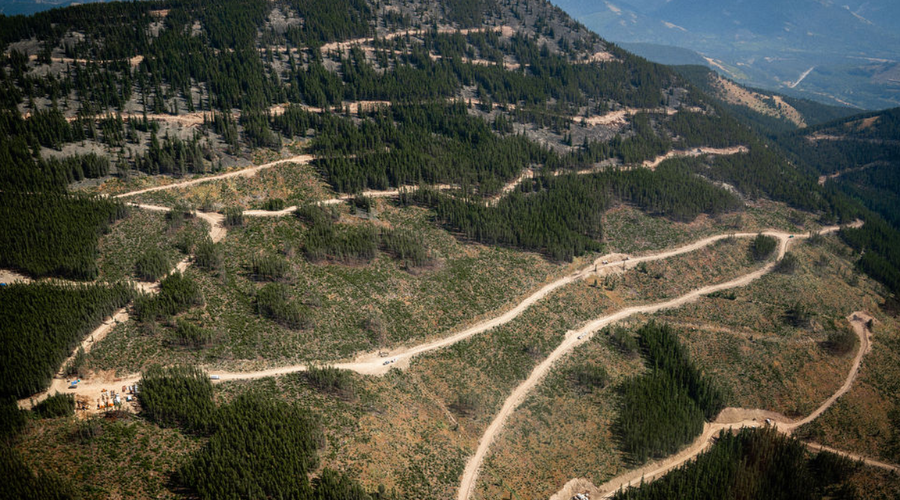
Coal exploration and mining in Alberta’s Rockies pose serious threats to the environment, communities, and local economies. Even before mines are built, exploration has caused habitat fragmentation, noise disturbance, water sedimentation, and increased risk to species-at-risk like native trout. Full-scale coal development would release selenium and other pollutants that pollute air, contaminate water, harm fish, and damage ecosystems. Ongoing policy instability has also cost Albertans hundreds of millions of dollars in lawsuits and settlements. These projects put sustainable industries like agriculture, tourism, ranching, and recreation at risk for short-term gains, threatening the well-being, livelihoods, and communities that depend on healthy land and clean water — in other words, all of us.
Grassy Mountain
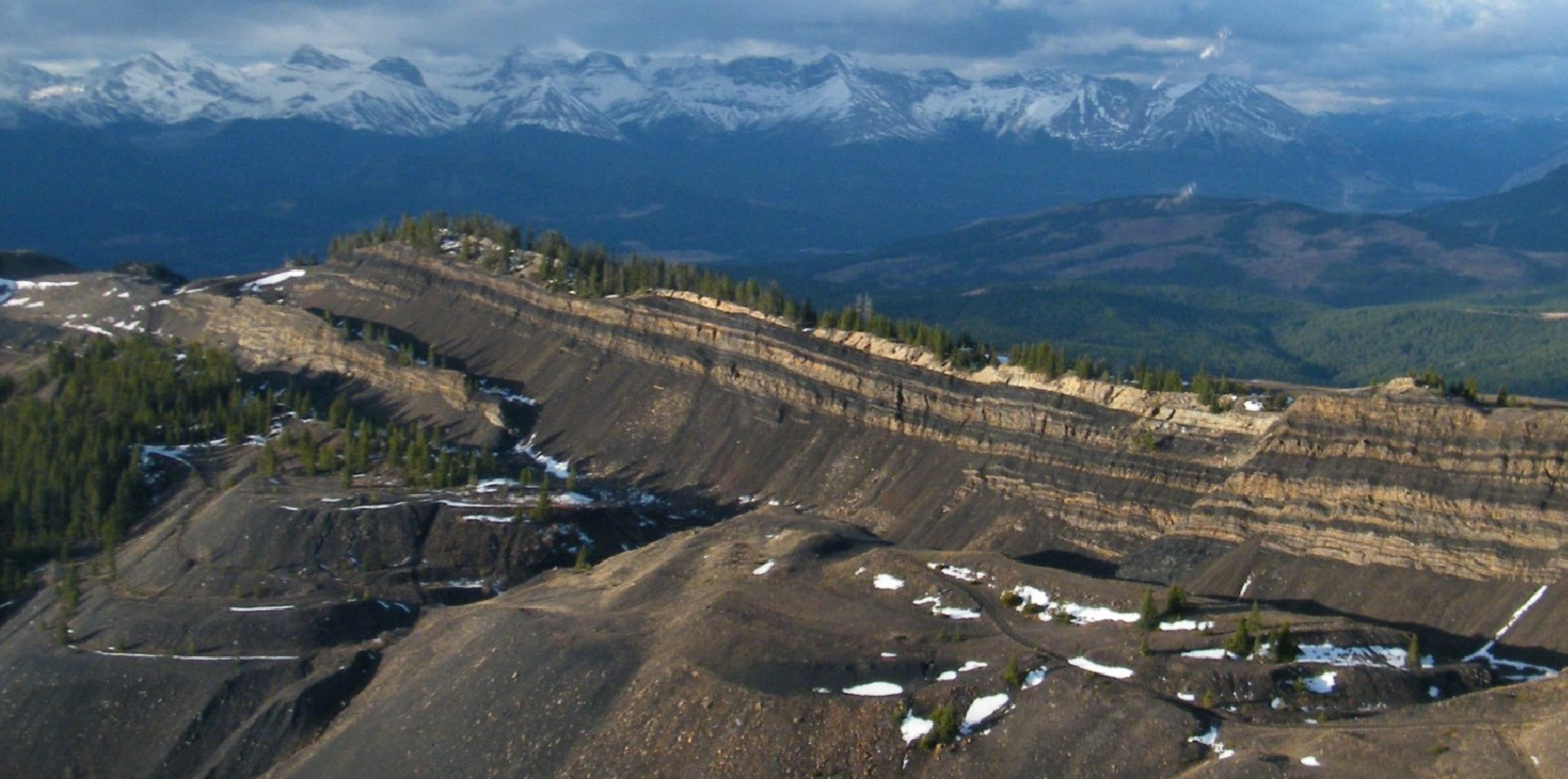
The Grassy Mountain coal mine was rejected in 2021 by both the Alberta Energy Regulator and the federal government as not in the public interest, due to serious environmental, economic, and Indigenous rights concerns. Despite this, in May 2025 the Alberta Energy Regulator approved new exploration activities for the Grassy Mountain Coal Project. Australian-owned Northback Holdings is now preparing to submit an application for a full mining operation, and has already claimed that the project is exempt from Alberta’s ban on open-pit coal mines.