What are protected areas in Alberta for if they aren’t, actually, protected?
Mohkinstsis/Calgary, Alberta
October 22, 2026
Written by: Emma Hoskins, CPAWS Southern Alberta Conservation Campaign Specialist
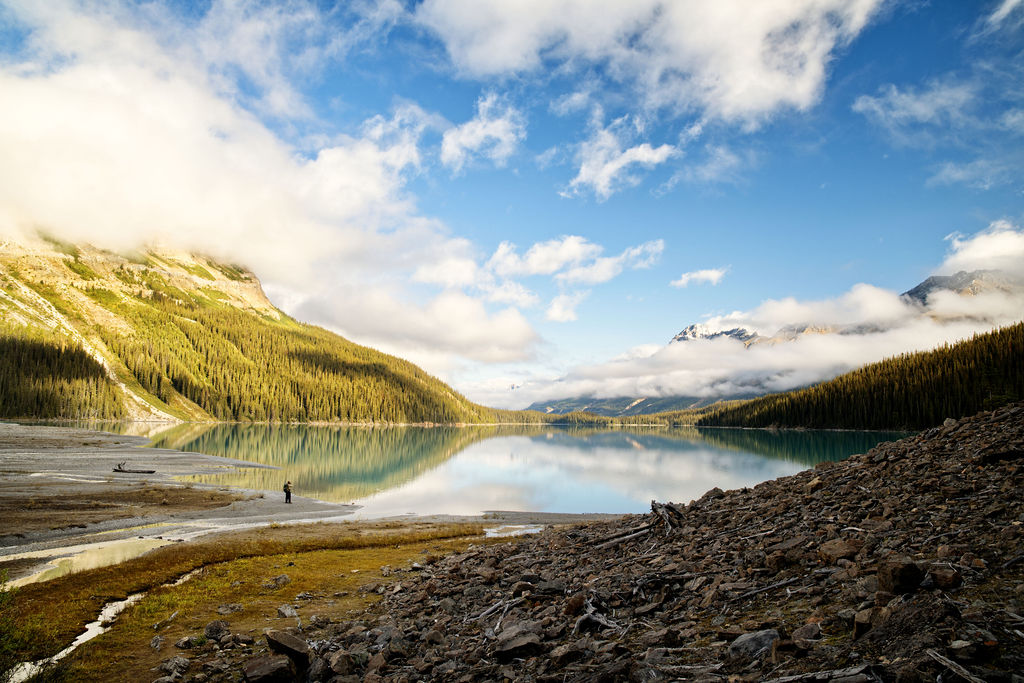
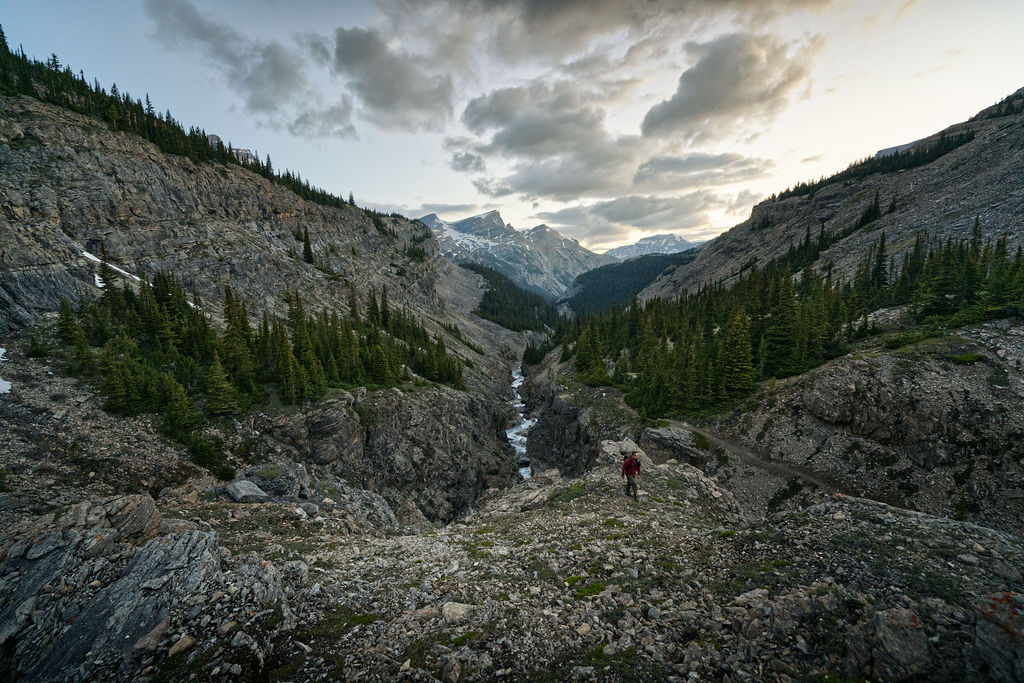
Photo Credit: Mitch Leong
Under Alberta’s All-Seasons Resort Act (ASRA), land can be removed from Alberta’s parks and protected areas system in order to accommodate private commercial development with the ‘stroke of a pen’ by the Minister of Tourism and Sport.
But this begs the question: What does it mean for an area to be protected in Alberta if its boundaries can be changed at the whim of a Minister? What is a protected area if it isn’t, in fact, protected from privatization, commercialization, and development?
These questions matter, because continuing to protect our province’s lands and waters is essential to conserving Alberta’s natural heritage for future generations to enjoy, and for ensuring that the wildlife and habitat within them endure.
Protected areas, by definition.
The International Union for Conservation of Nature (IUCN) defines a protected area as: “A clearly defined geographical space, recognized, dedicated and managed, through legal or other effective means, to achieve the long-term conservation of nature with associated ecosystem services and cultural values.”
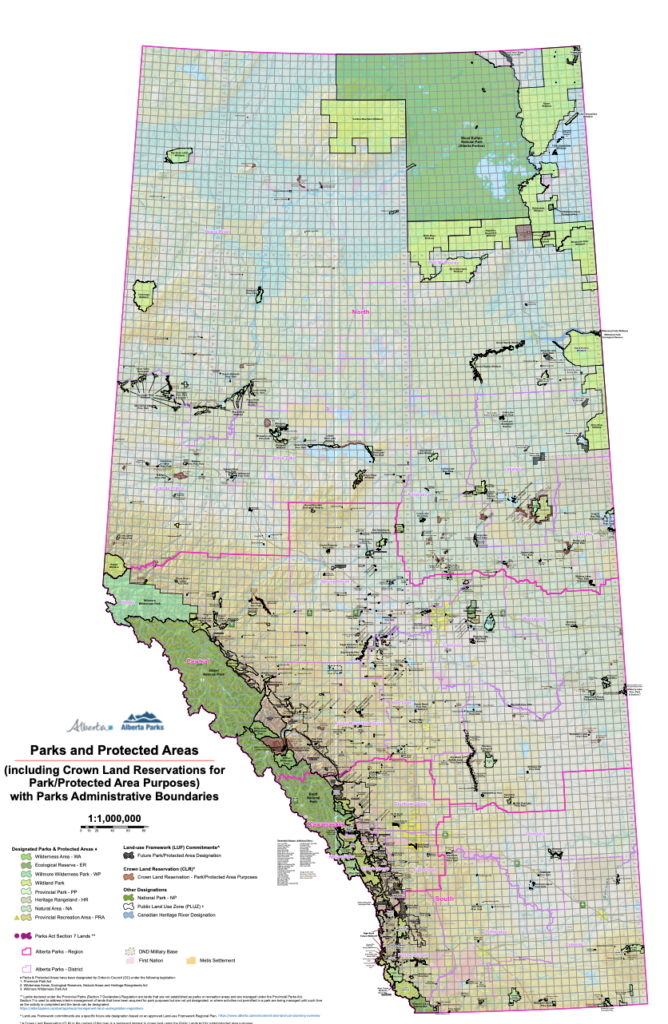
In Alberta, protected areas include provincial parks, wildland provincial parks, natural areas, heritage rangelands, ecological reserves and other designations. Each has its own management objectives, and restrictions on what can and cannot happen in them, but – taken together – they play a crucial role in conserving biodiversity, protecting wildlife habitat, and maintaining ecological integrity.
Protected areas provide benefits that extend far beyond their boundaries. Healthy ecosystems help maintain clean drinking water, store carbon, and support natural processes that reduce the impacts of floods and other environmental hazards. They protect places of cultural significance, while allowing future generations to experience Alberta’s natural landscapes.
Protection should mean permanency
Protected areas should provide lasting protection for the natural values they were established to conserve. This allows them to maintain biodiversity, protect wildlife habitat, and support the ecology that keeps large landscapes healthy over time. Achieving these goals requires planning that considers entire landscapes, including cumulative impacts from existing and proposed development. It means identifying ecologically important areas and wildlife corridors before development decisions are made, rather than weakening existing protections to accommodate new proposals.
Protected area boundaries are an important part of that commitment. They reflect decisions about which landscapes should be conserved for the long term. If those boundaries can be changed to accommodate commercial development, it raises serious questions about the security of Alberta’s protected areas network.
Alberta’s landscapes support wildlife, healthy ecosystems, and communities across the province. Protecting them means more than designing land on a map. It means upholding the conservation purpose of those designations and making decisions that safeguard ecological integrity for future generations.
If protected areas are to fulfil their purpose, conservation must remain the priority. Their boundaries should not be treated as something that can be changed, but as commitments to protect the natural values Albertans depend on.
Protection should mean connectivity
Wildlife does not recognize the boundaries of a provincial park or protected area. Animals move across landscapes to find food, water, shelter, and breeding habitat. Rivers connect watersheds, while ecological processes sustain ecosystems across entire regions. Connected landscapes allow wildlife to move between habitats and respond to changing conditions. In Alberta’s Rocky Mountains and foothills, maintaining these connections is particularly important for wide ranging species that rely on large areas of suitable habitat.
Development can disrupt these connections. Roads, buildings, utilities, and increased human activity can disturb wildlife, create barriers to movement, and introduce additional pressures into surrounding habitats.
A 2022 study that analyzed more than 20 years of wolf and grizzly bear data found that the Bow Valley had lost up to 85% of its best wildlife habitat due to human activity and development. These impacts can extend well beyond the area directly occupied by infrastructure.
Removing land from a protected area can have consequences beyond the loss of land itself. The location of the removed land matters, particularly when it provides an important connection between habitats or forms part of a larger, relatively intact landscape.
Protected areas cannot be considered in isolation. Their ability to conserve biodiversity depends in part on the health and connectivity of the surrounding landscape. Protecting a network of natural areas means maintaining the connections that allow ecosystems to function, not simply preserving disconnected patches of land.
Protection should not mean privatization.
To date, 3,000 acres of protected areas have been removed for private commercial development under the All-Seasons Resort Act.
In December 2024, Alberta passed the All-Season Resorts Act, establishing a framework for all season resort development on public land. The province’s stated objective is to encourage tourism investment and expand year-round recreation opportunities.
However, facilitating resort development has involved removing land from existing protected areas that include critical wildlife corridors, home to species at risk, and critical wildlife habitat. This creates a direct conflict in land uses as development is now being allowed in areas where land use planning deemed it inappropriate through the use of the All-Seasons Resort Act.
Tourism and outdoor recreation can contribute to local economies and provide meaningful opportunities for people to connect with nature. But not every landscape is equally suited to development. Protected areas are designated because their natural and cultural values warrant conservation, and those values remain important regardless of the other economic opportunities a new development might offer.
When land is removed from a protected area to accommodate a resort, the issue is not simply a change to a line on a map: It is a change to the level of protection afforded to a landscape. Development that was previously incompatible with an area’s protected status may now be able to proceed through a different approval process.
Protected areas are intended to prioritize long-term conservation. When their boundaries are changed to accommodate development, conservation commitments are weakened.
More Blog Posts
What are protected areas in Alberta for if they aren’t, actually, protected?
Is an area really protected in Alberta if its boundaries can be changed at the whim of a Minister?…
Implementation Pathways for Sustainable Tourism in Alberta
Tourism proposals should consider cumulative effects, wildlife movement, species at risk, human-wildlife coexistence, and impacts throughout the entire project lifecycle.…
Six Guiding Principles for Sustainable Tourism in Alberta
Not every landscape can accommodate the same level of use — nor an ever-increasing level of use…