Implementation Pathways for Sustainable Tourism in Alberta
Mohkinstsis/Calgary, Alberta
October 6, 2026
Written by: Emma Hoskins, CPAWS Southern Alberta Conservation Campaign Specialist
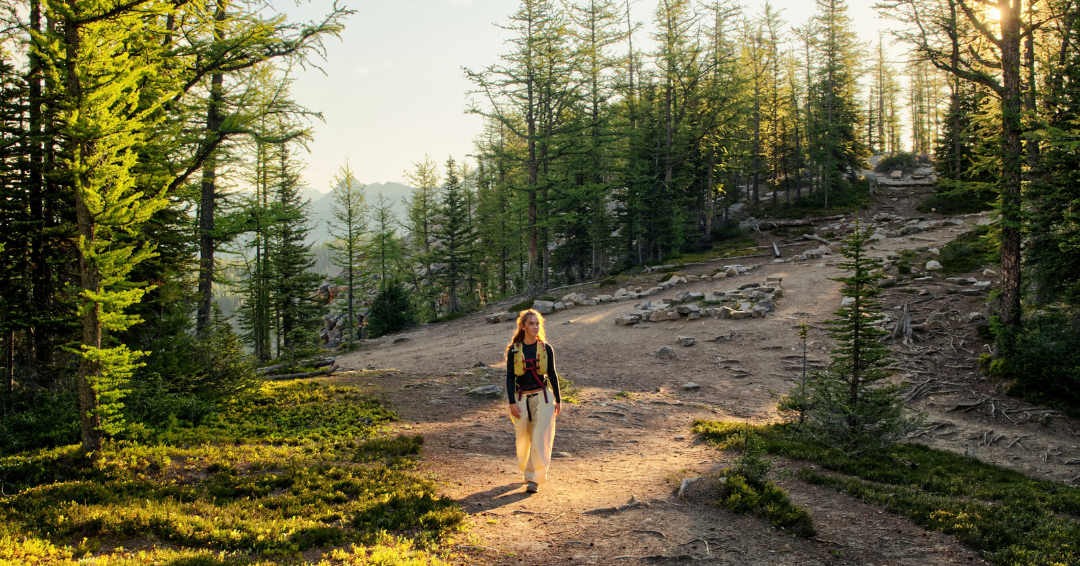
Photo Credit: Mitch Leong
As we’ve discussed in previous blogs on land use planning, visitor-use management, and guiding principles for sustainable tourism, there are many ways to make tourism more sustainable throughout Alberta. However, actually implementing these strategies can be a more difficult task. Striking the delicate balance between growing Alberta’s tourism economy and protecting the landscapes and communities that make Alberta an incredible destination requires far more than a single policy or development tool. It requires a coordinated approach that connects land use planning, conservation, environmental assessment, climate resilience, Indigenous leadership, community participation, and local economic benefits.
The implementation pathways outlined below provide a foundation for what sustainable tourism should look like and how we can put those principles into practice.
We propose seven interconnected pathways for implementing a sustainable tourism system in Alberta:
- Comprehensive land use planning
- Expansion of Alberta’s protected areas
- Responsible development assessment and management
- Climate adaptation and mitigation
- Transparent, accountable, and informed management
- Indigenous consultation and leadership
- Local economic opportunities and equitable community benefits
These pathways are not intended to operate independently. Each addresses a different part of the tourism system, and progress on one depends on progress across the others.
Comprehensive land use planning
Land use planning should be the foundation for deciding where tourism development is appropriate. Tourism operates alongside conservation, recreation, forestry, energy development, agriculture, and Indigenous land uses. Without landscape-level planning, individual projects can be approved without adequately considering their cumulative effects.
Alberta should complete and implement regional, sub-regional, and issue-specific land use plans before advancing large-scale tourism development. These plans should protect wildlife corridors, sensitive ecosystems, watersheds, and other important values and use this to identify areas suitable for development. Tourism policies and tools, including the All-Season Resorts Act (ASRA), should align with this broader planning system rather than operate separately from it.
Expansion of Alberta’s protected areas
Alberta’s protected and conserved areas contribute an estimated $3.1 billion annually to GDP and provide important opportunities for recreation while safeguarding the landscapes that sustain the province’s tourism economy.
In addition to supporting a more resilient tourism industry, maintaining and growing the number and size of protected areas in Alberta aligns with the values of Albertans. Recent polling found that 95% of Albertans are concerned about biodiversity loss, 77% support setting aside more land to protect wildlife habitat, and 79% oppose the removal or closure of existing provincial parks.
Expanding the protected area network can help conserve underrepresented ecosystems, maintain wildlife connectivity, and protect important watersheds. The strategy for tourism growth should not be to overwhelm Alberta’s existing protected areas or ecologically important public lands. New protected areas should prioritize areas of high ecological value, where development should not occur. Development should be directed to appropriate areas outside protected areas and areas of high ecological value, while infrastructure within protected areas should be limited to what is necessary for low impact access and appropriate to the ecological values of the area.
Protecting intact landscapes and ecological connectivity reflects not only environmental priorities, but strong and consistently expressed public values. A 2025 study revealed that 78% of Canadians are worried about environmental damage caused by industry and business. These objectives also support broader national and international commitments, including Canada’s goal of protecting 30% of lands and waters by 2030 (30×30), under the Kunming-Montral Global Biodiversity Framework, which 87% of Canadians support
Responsible development assessment and management
Where development is appropriate and avoids areas of high ecological value, strong environmental assessment and management are needed to ensure projects remain within ecological limits. Tourism proposals should consider cumulative effects, wildlife movement, species at risk, human-wildlife coexistence, and impacts throughout the entire project lifecycle. Environmental standards should be consistent with those applied to other industries, with clear monitoring, compliance, and enforcement requirements. Additionally, environmental considerations should prioritize impact avoidance, with mitigation measures considered only as a last resort. should prioritize impact avoidance, with mitigation measures considered only as a last resort.
More Blog Posts
What are protected areas in Alberta for if they aren’t, actually, protected?
Is an area really protected in Alberta if its boundaries can be changed at the whim of a Minister?…
Implementation Pathways for Sustainable Tourism in Alberta
Tourism proposals should consider cumulative effects, wildlife movement, species at risk, human-wildlife coexistence, and impacts throughout the entire project lifecycle.…
Six Guiding Principles for Sustainable Tourism in Alberta
Not every landscape can accommodate the same level of use — nor an ever-increasing level of use…