An Action Plan Without Action
April 29, 2026
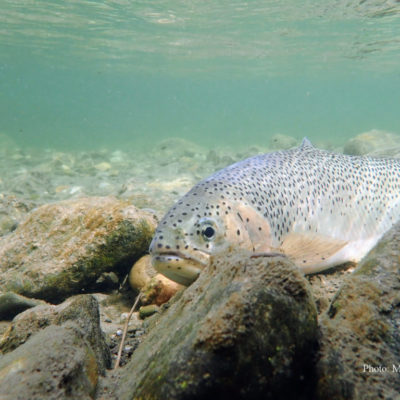
A proposed multi-species action plan for all three of Alberta’s at-risk native trout species has been made available for comment by Fisheries and Oceans Canada (DFO). Comments can be provided to SARA_LEP@dfo-mpo.gc.ca up until May 25, 2026.
The most striking aspect of the proposed action plan is the remarkable lack of urgency surrounding implementation.
Fifteen different recovery measures are described, but the majority of these have implementation schedules vaguely described as “long-term”, which DFO defines as “more than 10 years”.
Critically important actions, that should have been implemented years ago, such as “Develop (or refine) and implement regulatory guidance to address main threats (for example, under the Fisheries Act and the Species at Risk Act).” areidentified as “medium” priority with a planning timeline of “less than 5 years” and an implementation timeline of “more than 10 years”.
Alberta’s three native trout species have been identified as at-risk by the Committee on the Status of Endangered Wildlife in Canada (COSEWIC) since 2014 (Athabasca Rainbow Trout), 2012 (Bull Trout), and 2005 (Westslope Cutthroat Trout). It is completely unacceptable to further delay implementation of recovery measures.
In recent years, DFO has permitted critical habitat destruction at hundreds of crossings throughout native trout range — the impacts of which they claim to be counterbalanced through offsetting. This includes measures such as restoration of riparian habitats, installation of access controls, and installation of signage at unauthorized off highway vehicle crossings, effectively treating such actions as an exchange for destruction of critical habitat.
We know that offsetting for species at risk habitat is an extremely high-risk approach. That’s why DFO’s own Jeopardy Framework science advice emphasizes that offsetting should only be used “in exceptional circumstances”. Despite this, DFO is systematically using this unproven approach to allow critical habitat destruction. Promises of recovery measures with outrageously long timelines are at odds with the reality that right now DFO is failing to protect critical habitat.
To ensure the survival and recovery of our at-risk species, we need DFO to take immediate, strong action. The Action Plan should recognize and act on this imperative. Further delaying puts these species at ever greater risk.
Comments can be provided to SARA_LEP@dfo-mpo.gc.ca up until May 25, 2026.
Our recommendations are summarized as:
- Recovery measures that explicitly prevent any further destruction of critical habitat should be included in the Action Plan, along with commitments for immediate implementation. This should include commitments to avoid further permittingof destructive activities.
- Throughout, recovery measure timelines should be clearly defined and reflect the urgency needed to achieve survival and recovery of the species. In particular, recovery measures 1, 2, and 3 should all be identified as High priority. Recovery measure 1 should be implemented immediately, and prompt and clear timelines for measures 2 and 3 should be defined. Recovery measure 5 should be implemented immediately.
- The Action Plan clearly explains how critical habitat is based on attributes and is not limited only to those watercourses that are represented in the existing limited resolution DFO critical habitat dataset, for all native trout species. We recommend that a recovery measure is included in the Action Plan that commits to utilizing higher resolution stream data to define critical habitat more accurately.
More News
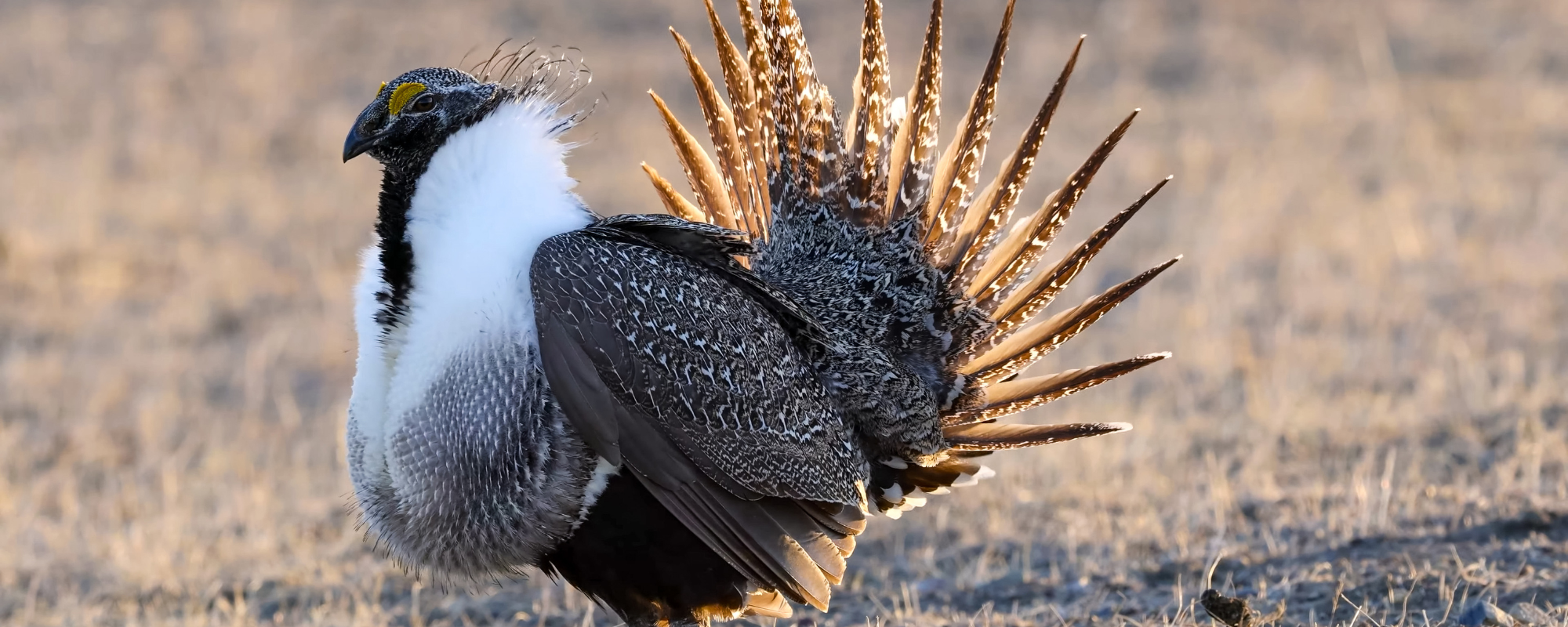
Government of Alberta quietly lifts restrictions protecting endangered Greater Sage-Grouse
Provincial habitat protections for the endangered Greater Sage-Grouse have been removed…
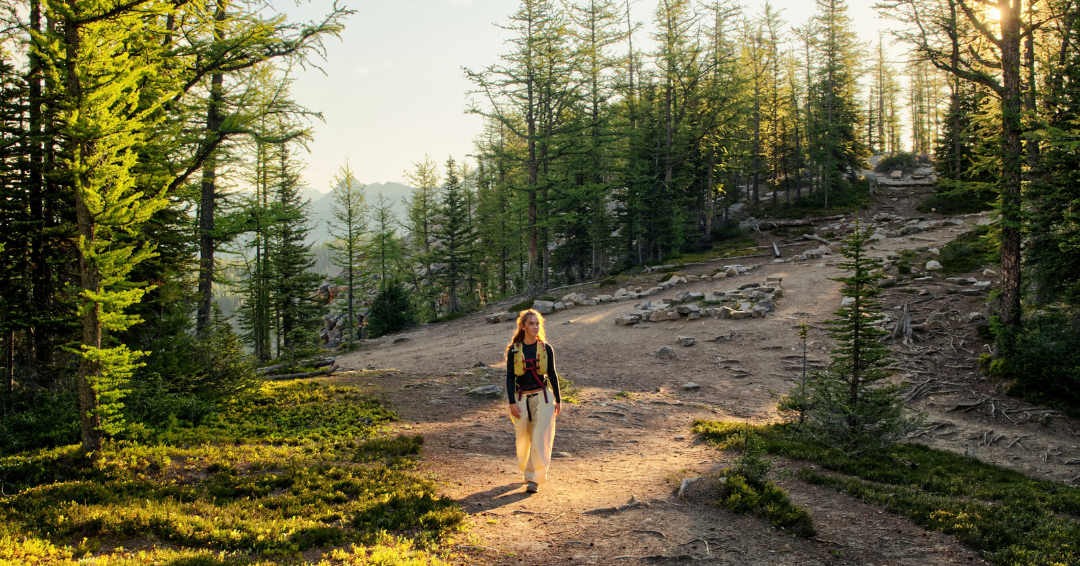
Implementation Pathways for Sustainable Tourism in Alberta
Tourism proposals should consider cumulative effects, wildlife movement, species at risk, human-wildlife coexistence, and impacts throughout the entire project lifecycle.…
Six Guiding Principles for Sustainable Tourism in Alberta
Not every landscape can accommodate the same level of use — nor an ever-increasing level of use…