OVERVIEW
Grassy Mountain Coal Project
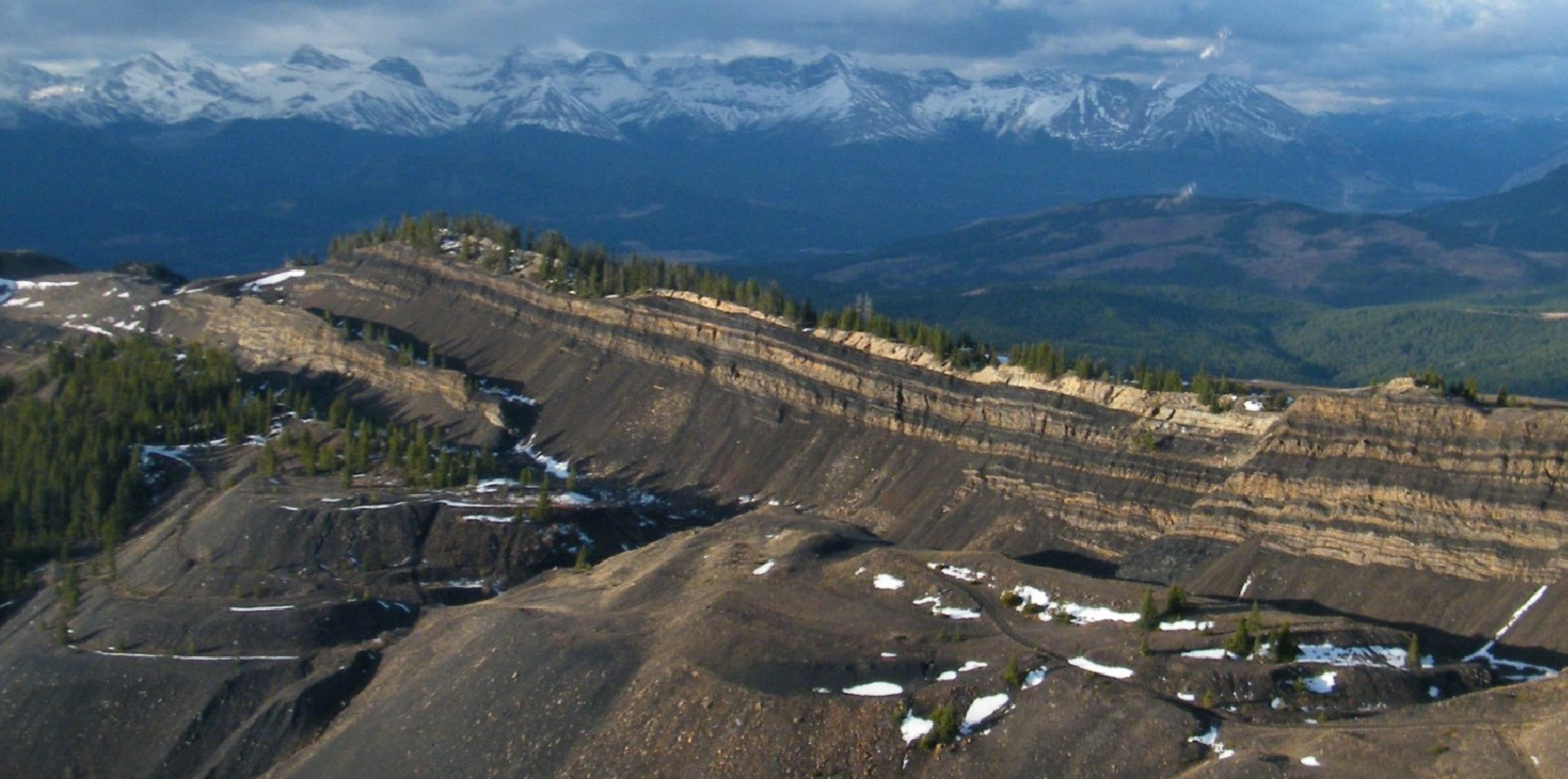
Grassy Mountain is located in the Crowsnest Pass region of southwestern Alberta, on the Eastern Slopes of the Rocky Mountains, within the Oldman River watershed. These lands and waters are critically important for clean drinking water, fish and wildlife habitat, ranching, recreation, and Indigenous cultural and traditional uses. Water from this area flows downstream to communities across southern Alberta.
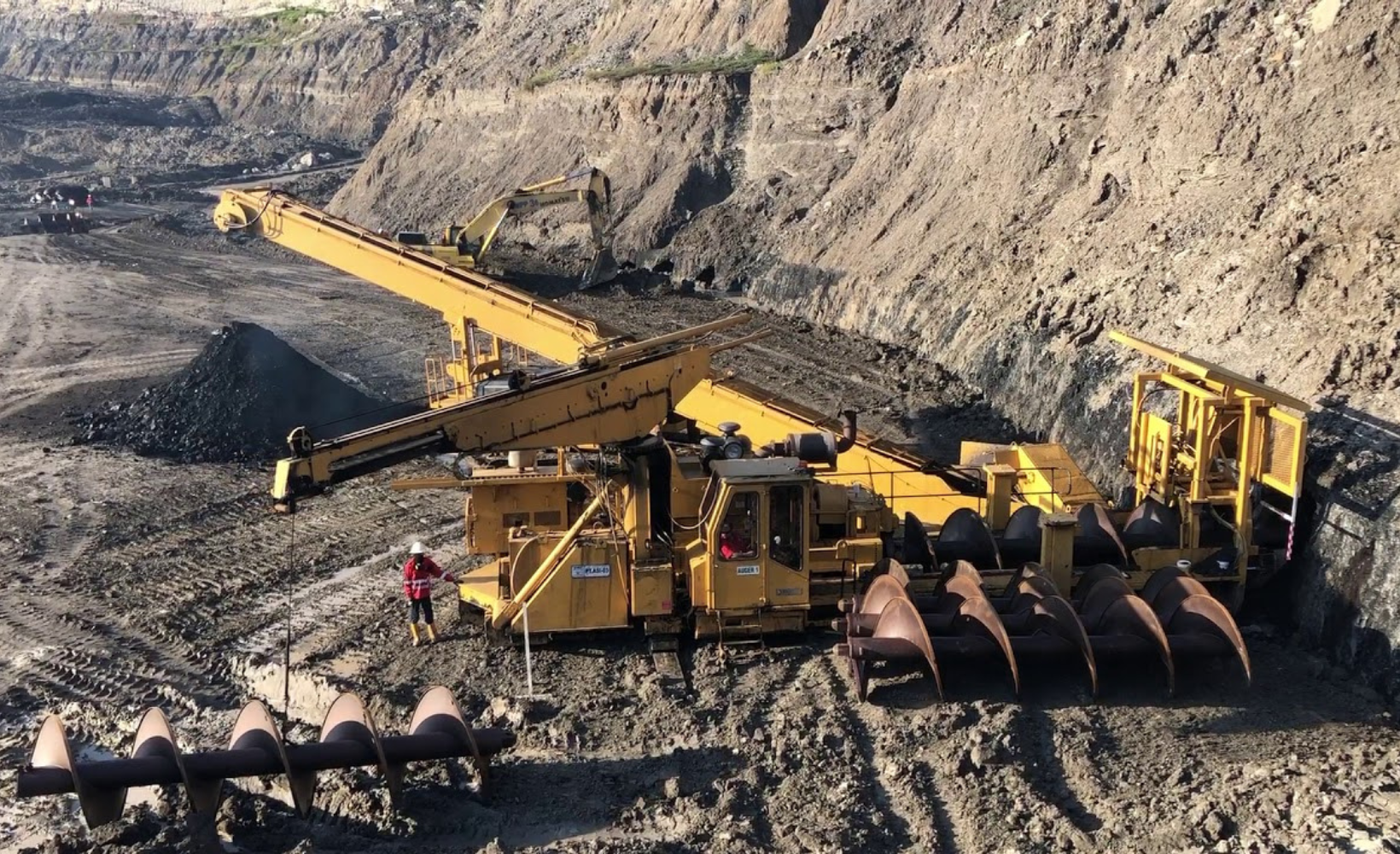
The Grassy Mountain Coal Project was initially proposed in 2015 by Benga Mining Ltd., a subsidiary of the Australian company Riversdale Resources. The project proposed an open‑pit metallurgical coal mine that would remove the top of Grassy Mountain to extract coal for steelmaking.
Benga's application was rejected in June 2021 by a joint provincial and federal review panel, which determined that the project’s environmental impacts, including risks to water quality and Indigenous land use rights, outweighed the project’s modest economic benefits, and was therefore not in the public’s interest.
The ruling should have been the nail in the coffin for this coal project, but in January 2025, the Alberta government quietly lifted the moratorium on new coal exploration and development, enabling new coal projects on the Eastern Slopes to once again move forward.
Since then, the Australian-owned Northback Holdings Corporation (the successor to Benga Mining) has been actively advancing a revised version of the Grassy Mountain project.
GRASSY MOUNTAIN COAL PROJECT
Current Status
In May 2025, the Alberta Energy Regulator approved Northback’s exploration permits for Grassy Mountain, and the company is now preparing to submit an application for a full‑scale coal mine. While Northback has publicly claimed that the project would not draw water from Alberta creeks or rivers, it applied for a Water Act licence in April, 2026, which would allow the diversion of 185,022 cubic metres of water per year from the Blairmore Creek watershed. This volume of water is equivalent to the lifetime water consumption of about 3,200 people, every year.
The rapid advancement of this coal project that was already deemed not in the public interest highlights the urgent need for modern coal legislation that permanently bans any new coal exploration and mining on the Eastern Slopes. If you haven’t already, write your letter today.
TAKE ACTION
Protect Alberta's Rockies from Coal
Whether it’s the coal dust, soil erosion, water pollution, closed access to public lands, or the particulate matter entering our air, soil and water, Albertans across the political spectrum agree: Coal makes for a bad neighbour. The Government of Alberta MUST develop a coal policy that protects Albertans and our future. Send your letter today.
GRASSY MOUNTAIN COAL PROJECT
Timeline
1913-1958
Historical Grassy Mountain Mine: The Greenhill Coal Mine, operated by Western Canadian Collieries in the south end of the Grassy Mountain region, produces a total of 8 million tonnes of coking coal in its 45 years of operation.
1970-1972
Historical Grassy Mountain Exploration #1: Scurry Rainbow conducts a coal exploration program in the Grassy Mountain region using drilling and trenching.
1973-1975
Historical Grassy Mountain Exploration #2: Consol Energy Inc. Conducts a drilling program and a 54,000-tonne bulk sample extraction.
2013
Benga Mining Ltd Acquires New Coal Leases: Nearly 40 years after the cessation of coal activity in Grassy Mountain, Benga Coal Mining Limited (a wholly owned subsidiary of the Australian Riversdale Resources Ltd.) purchases coal leases and land in the region and initiates coal exploration.
2015
March 20 — Benga submits Grassy Project Description: Benga submits a Project Description for its proposed Grassy Mountain Coal Project to the Canadian Environmental Assessment Agency (CEAA). The proposed coal project would remove the top of Grassy Mountain, span 2,800 hectares, and have a yearly production capacity of 4.5 million tonnes over a mine-life of 24 years (2021-2045).
April 15 — CPAWS Requests a Federal Environmental Assessment: CPAWS submits comments on the Project Description and requests a federal environmental assessment of the proposed Grassy Mountain Coal Project.
May 14 — Assessment Deemed Necessary: The Canadian Environmental Assessment Agency announces that a federal environmental assessment will be required for the project to move forward.
July 15 — Hearing Referred to Joint Review Panel: The Minister of Environment announces the decision to refer the Grassy Mountain Coal Project hearing to a joint federal provincial review panel.
November — Benga Submits EIA: Benga submits its Environmental Impact Assessment (EIA) for provincial and federal review.
2016
January — AER Rejects Grassy EIA Due to "Major Deficiencies": The Alberta Energy Regulator (AER) determines that the Grassy Mountain Coal Project Environmental Impact Assessment report is not complete. “Major deficiencies” are cited in the conservation and reclamation plan, biodiversity impact assessment, and much more. These issues are to be addressed before the project can proceed.
2016 - 2020 — Benga Submits Addendums to EIA: Over the course of four years, Benga submits 12 Addendums to its EIA to meet the requirements of their Terms of Reference.
2017
October — Benga submits applications for approval under the Coal Conservation Act, Environmental Protection and Enhancement Act, Water Act, and Public Lands Act to the Alberta Energy Regulator.
December — CPAWS Submits Statement of Concern to AER: CPAWS submits a Statement of Concern to the AER regarding Benga's 2017 applications, focusing on the project's impacts on westslope cutthroat trout, selenium pollution, limber pine, whitebark pine, and wildlife habitat and connectivity.
2018
August — Joint Review Panel Appointed: A three-member Joint Review Panel representing the Alberta Energy Regulator and the Canada Impact Assessment Agency is established to review Benga’s proposed Grassy Mountain Coal Project. The panel will conduct a review of the potential environmental effects of Grassy, alongside possible mitigation measures, and determine whether the project is likely to cause significant adverse environmental effects.
2020
June 1 — Coal Policy Rescinded: The Government of Alberta rescinds the 1976 Coal Policy. This does not directly affect the proposed Grassy Mountain Coal Project because Grassy is on "Category 4" lands that were not sufficiently protected under the 1976 Coal Policy.
June 25 — Grassy Public Hearing to Proceed: The Joint Review Panel determines that the information in the EIA, the Addendums, and the Supplemental Information Requests (including five from CPAWS) is now sufficient to proceed to the public hearing.
October 27 - December 2 — Grassy Public Hearing: Benga's Grassy Mountain Coal Project undergoes a hearing on its Environmental Impact Assessment by the Joint Review Panel. The hearing process is a key part of the government process to make a decision on whether the mine will be approved or not.
CPAWS, Livingstone Landowners Group, Alberta Wildlife Association, MD Ranchlands, and Timberwolf Society all participate as intervenors. CPAWS is represented by the Public Interest Law Clinic and retains experts in selenium mitigation, coal quality, adaptive management, and profitability of the mine. Experts on the environmental, economic, and community concerns of the project examine Benga's data and make recommendations to deny the project. .
November — Niitsítapi Water Protectors: Niitsítapi Water Protectors form, expressing concerns over Grassy Mountain Coal Project’s lack of engagement of First Nations community members and the proposed projects impacts on treaty rights.
2021
November 2020 - June 2021 —Increased public awareness on coal risks in the Eastern Slopes brings more public attention to Grassy Mountain and increases pressure to reject the project.
February 8 — 1976 Coal Policy Reinstated: The 1976 Coal policy is reinstated by the Government of Alberta in response to public backlash. This has no effect on the Grassy Mountain Coal Project as it is on Category 4 lands, which are not sufficiently protected under the 1976 Coal Policy.
February 11 - March 13 — Niitsítapi Water Protectors Gather 18k Signatures on Federal Petition Against Grassy: Latasha Calf Robe and the Niitsítapi Water Protectors gather 18,333 signatures on their federal petition to halt a decision on the Grassy Mountain Coal Project until a thorough Regional Assessment is done that looks at the cumulative impacts on all coal activity in the Southwest Eastern Slopes. The petition is read in the House of Commons on March 22, 2021.
June 17 — Grassy Mountain Coal Project Denied by AER: Benga’s Grassy Mountain Coal Project is denied by the Alberta Energy Regulator as a part of the Joint Review Panel process. The panel’s report concluded that the coal project’s environmental effects outweighed the relatively loweconomic benefits, and that the project would also result in the loss of lands used for traditional activities by Indigenous peoples.
August — The federal government confirms its rejection of the Grassy Mountain Coal Project, citing ongoing environmental concerns, reinforcing the AER’s position.
2022
January 28 — The Alberta Court of Appeal denies Northback permission to appeal the Joint Review Panel’s decision to deny the project. On September 29, 2022, the Supreme Court of Canada declines to hear an appeal of that denial. The following year, on December 4, 2023, the Court of King’s Bench throws out Northback’s application to appeal the decision. Benga appeals this action and the Court of Appeal confirms the King’s Bench decision on May 27, 2025. On October, 2025, the Supreme Court of Canada declines to hear an appeal.
March —The Government of Alberta issues Ministerial Order 002/2022, pausing all new coal exploration and development on the Eastern Slopes, including Category 3 and 4 lands, with limited exemptions for “advanced coal projects” or projects with active approvals. CPAWS later confirms that the government is considering Grassy Mountain an advanced project, despite the project’s rejection in 2021.
Yet Grassy Mountain Coal Project does not meet the conditions to qualify as an exempt or “advanced” project under the order’s definitions. CPAWS argues that Because Benga’s applications under the Coal Conservation Act were denied in 2021, CPAWS argues that Grassy Mountain no longer has an active application or license and therefore cannot be considered an “advanced coal project” or an “active approval for a coal mine.”
2023
February 12 —A Federal Court judge determines that Canada may not have adequately consulted or accommodated two First Nations before issuing federal decisions on the Grassy Mountain project. The judge rules that the two First Nations may appeal the federal decision on that basis. The judge rejects Northback's own appeal, and Northback subsequently appeals that ruling. In February 2025, the Federal Court of Appeal agrees that Northback's appeal is not moot and allows it to proceed. On October 1, 2025, Northback asks the court to stay the proceedings until July 2026 while the federal Minister of Environment carries out the consultations with First Nations required by the earlier court decision, noting that the outcome of those consultations could render the appeal unnecessary.
August — Grassy Mountain project receives an exemption from the Alberta Energy Regulator despite the fact that it was rejected in 2021 and so does not qualify as an advanced coal project under Ministerial Order 002/2022.
August - September — Northback Holdings Corporation (successor of Benga/Riversdale) files an application with the Alberta Energy Regulator (AER) for a Deep Drilling Permit in support of a coal exploration program on the Grassy Mountain coal deposit. CPAWS Southern Alberta submits a Statement of Concern to the AER and a letter to the Alberta Minister of Energy and Minerals, arguing that the AER cannot legally accept or approve Northback’s exploration and deep drilling applications under Ministerial Order 002/2022.
2025
January — Coal Moratorium is Lifted: In the middle of the Grassy Mountain hearing, the Alberta Minister of Energy and Minerals directs the Alberta Energy Regulator (AER) to remove the moratorium on new coal mine development and exploration that has been in place since early 2022. This decision reverts Alberta back to the outdated 1976 Coal Policy, effectively opening all Category 2, 3, and 4 lands to coal activity. It also renders the question of Grassy Mountain’s debated status as an advanced project irrelevant, as new coal activity is no longer prohibited across the Eastern Slopes.
May — AER Approves Exploration Permits for Grassy: The Alberta Energy Regulator (AER) approves exploration permits for Northback Holdings’ Grassy Mountain Coal Project.
November — Northback releases the Proposed Terms of Reference for the Environmental Impact Assessment signalling the beginning of a new mine application process. The public comment period closes on January 16, 2025, and the final Terms of Reference are released on March 24, 2026, with few substantive changes.
2026
March — An article by the Tyee reveals that Northback Holdings is suing the Canadian government for $2 Billion for denying its Grassy Mountain Coal Project application in 2021. A Queen's University Professor who studies the impact of investor-state dispute settlements noted that Albertans “should be seriously concerned that this system provides foreign companies and wealthy individuals with an extremely powerful tool to bully governments with.”
April — Northback Applies for Water License: Northback applies for a Water Act license that would allow the diversion of 185,022 cubic metres of water per year from the Blairmore Creek watershed —despite telling the public that they would not be requiring any additional water. This volume of water is equivalent to the lifetime water consumption of about 3,200 people, every year. CPAWS submits a Statement of Concern.
COAL in alberta
Key Issues
Impacts of Coal
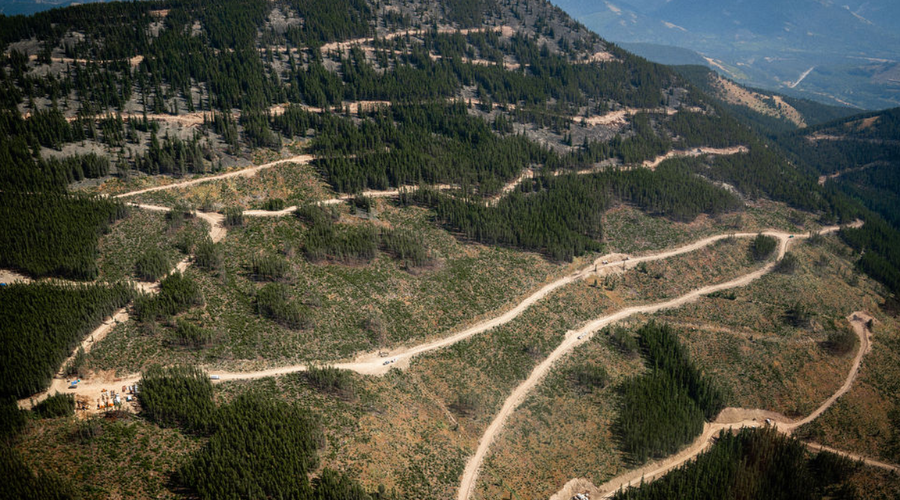
Coal exploration and mining in Alberta’s Rockies pose serious threats to the environment, communities, and local economies. Even before mines are built, exploration has caused habitat fragmentation, noise disturbance, water sedimentation, and increased risk to species-at-risk like native trout. Full-scale coal development would release selenium and other pollutants that pollute air, contaminate water, harm fish, and damage ecosystems. Ongoing policy instability has also cost Albertans hundreds of millions of dollars in lawsuits and settlements. These projects put sustainable industries like agriculture, tourism, ranching, and recreation at risk for short-term gains, threatening the well-being, livelihoods, and communities that depend on healthy land and clean water — in other words, all of us.
Grassy Mountain
The Grassy Mountain coal mine was rejected in 2021 by both the Alberta Energy Regulator and the federal government as not in the public interest, due to serious environmental, economic, and Indigenous rights concerns. Despite this, in May 2025 the Alberta Energy Regulator approved new exploration activities for the Grassy Mountain Coal Project. Australian-owned Northback Holdings is now preparing to submit an application for a full mining operation, and has already claimed that the project is exempt from Alberta’s ban on open-pit coal mines.