Get Involved
ENGAGING with
annual operating plans
Each spring, typically in May, Annual Operating Plans are released by logging companies. These plans outline proposed logging activities and are posted on the company’s website, and presented at Annual Open Houses. Community feedback is not only welcomed, it’s essential! By reviewing and responding to these plans, you can help safeguard local forests, native trout habitat, and the health of our watersheds.
The plans are available as PDF maps, along with an information document that provides a high-level overview of the company’s proposed logging areas and operations. In addition to viewing these maps, we recommend using our Logging Plan Viewer. This interactive tool is updated regularly with both planned and past logging data, allowing you to explore the plans in the context of other landscape values.
By engaging with annual operating plans and submitting your feedback, you'll play a direct role in ensuring that logging plans respect the values of resilient forests, species-at-risk recovery, and healthy watersheds.
Upcoming Open Houses to Provide Feedback on West Fraser Annual Operating Plans:
March 31, 2026
Cochrane RancheHouse - Hall of Vision | 3pm - 7pm
Harvest Plans: Atkinson Creek, B9 Quota, Burnt Timber Creek, Coalcamp Creek, Grease Creek, Highwood River, Jumpingpound (Sibbald), McLean Creek
April 1, 2026
Cochrane RancheHouse - Hall of Vision
10am - 1pm & 3pm - 7pm
Harvest Plans: Jumpingpound (Bragg Creek and Moose Mountain)
April 2, 2026
Hillcrest Fish & Game Hall | 4pm - 7pm
Harvest Plans: Crowsnest River, Oldman River, Racehorse Creek
Open house details available here.
RESOURCE
Logging
Plan Viewer
Want to become an advocate for Alberta’s forests? Check out our interactive logging plan viewer. It provides an interactive mapping tool for viewing plans in the context of other landscape values, and it is updated regularly with past, present, and future logging plans.

key ISSUES
How to Assess
Forest Management Plans
The consequences of logging extend well beyond the forest floor. Without proper planning and management, logging erases critical habitat for species already under pressure and undermines the natural systems that regulate water, leaving communities more vulnerable to floods and drought.
Learn more about the key issues surrounding logging in Southern Alberta.

Native Trout

Wetlands

Watersheds

Wildfire
Helpful Terms
Useful Links
LEARN MORE
Further Reading
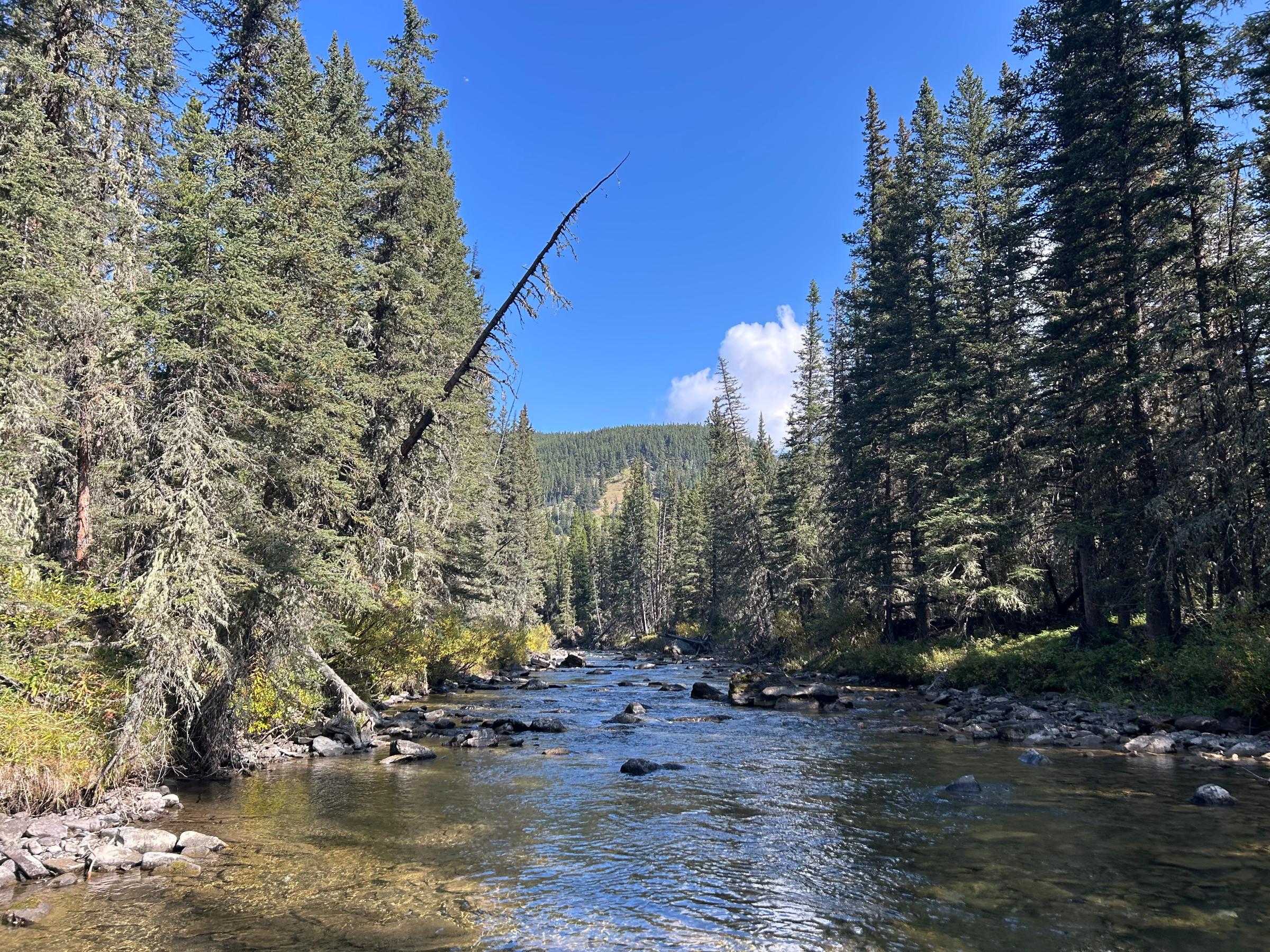
New Storymap: Widespread Erosion and Sedimentation in Critical Habitat
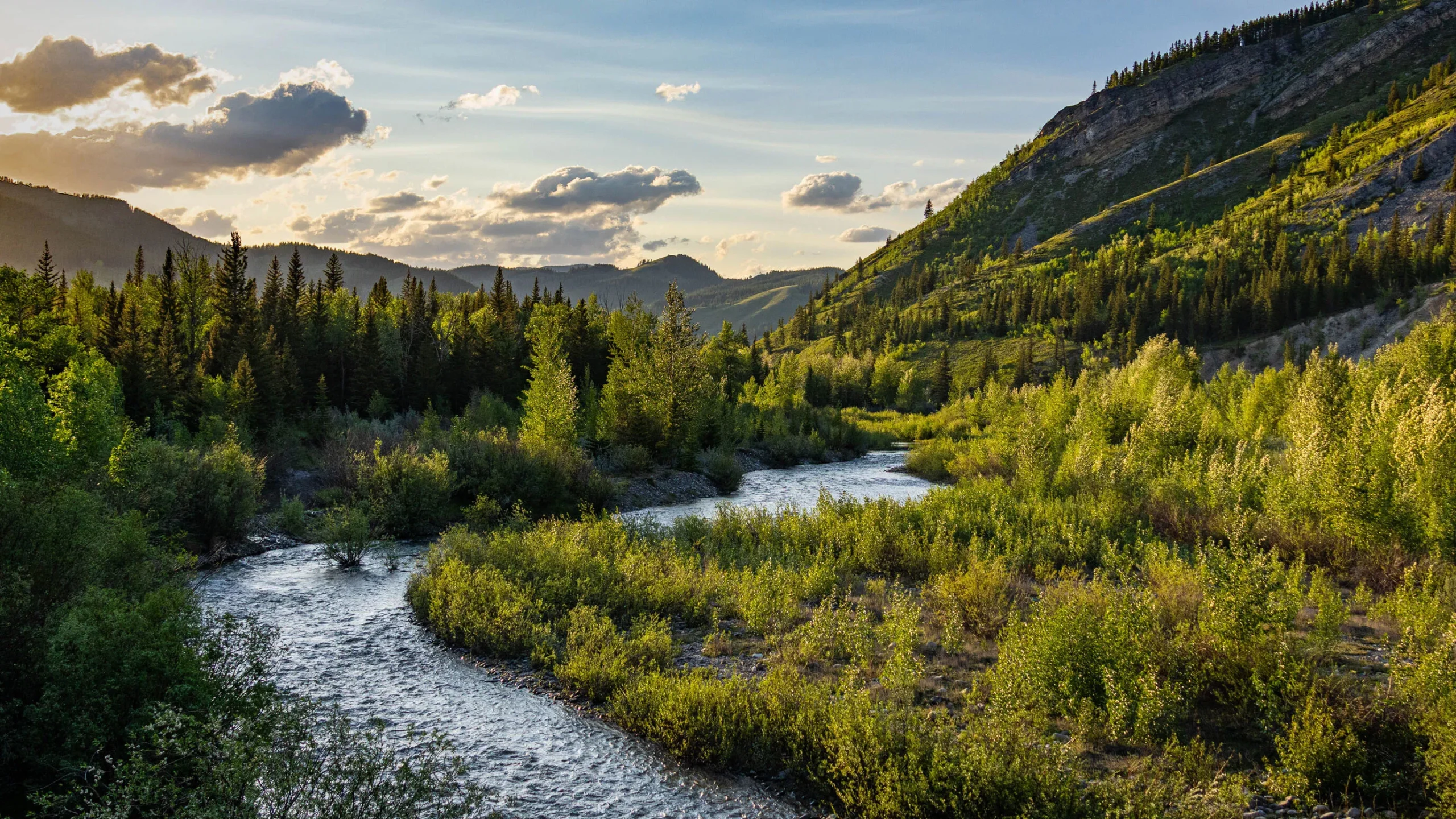
Logging Permits Approved in Key Trout Spawning Area of Oldman River