
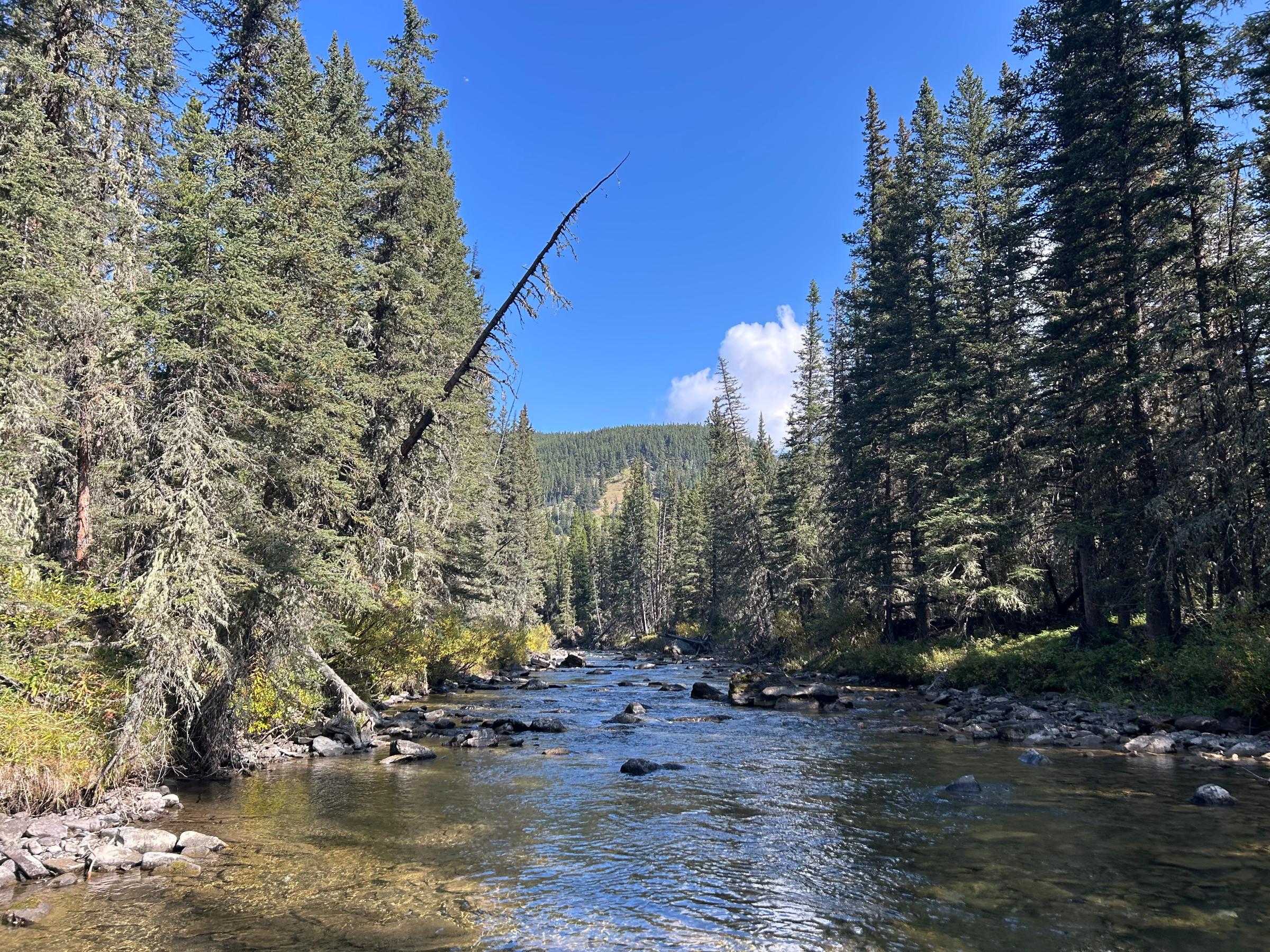
New Storymap: Widespread Erosion and Sedimentation in Critical Habitat
Mohkinstsis | Calgary
Treaty 7, Alberta
January 26, 2026
Impacts of Logging Infrastructure
Erosion and sedimentation pose serious, long-term threats to Alberta’s vulnerable native trout — but they are not issues that typically make the headlines. All too often, they are also issues overlooked by regulators, including Fisheries and Oceans Canada (DFO), whose responsibility it is to safeguard the integrity of Critical Habitat for at-risk aquatic species.
Logging and its associated infrastructure — such as roads, bridges, and other crossing structures — are supposed to be constructed in such a way as to prevent excessive sediment from entering creeks, rivers, streams, and other affected waterbodies. Unfortunately, what is being observed on the ground tells a very different story.
Recurring Destruction of Critical Habitat
In early 2025, CPAWS Southern Alberta published the Native Trout Critical Habitat Loss in Southern Alberta report. The report outlined how, even after habitat protections were implemented for threatened westslope cutthroat trout and bull trout, Critical Habitat destruction due to logging operations continued to occur on a regular basis. It documented losses of riparian (stream-adjacent) Critical Habitat and identified more than 100 access-road crossings of Critical Habitat — none of which had been authorized under the federal Species at Risk Act.
Erosion at stream crossings and along access roads, and the resulting sediment entering streams, is a major problem for native trout, directly impacting their ability to survive and reproduce.
2025 Fieldwork
To validate the remote sensing data presented in the report and to quantify the scale of the issues, CPAWS Southern Alberta conducted stream crossing assessments and Critical Habitat assessments at crossings in the Oldman, Livingstone, Elbow, and Ghost regions in the summer of 2025.
The findings were alarming:
- 71% of stream crossings showed evidence of erosion and/or sedimentation
- Only half of crossings had erosion controls present
- 87% of those erosion controls were failing to some degree
These findings confirm that erosion and sedimentation due to logging infrastructure are widespread and ongoing within legally protected Critical Habitat for Alberta’s at-risk native trout.
“Sediment entering streams from poorly maintained forestry road crossings degrades the critical habitat that native trout need to survive. The widespread failure to prevent erosion urgently needs to be addressed to prevent further harm to already threatened populations.”
—Josh Killeen, Conservation Science & Programs Manager
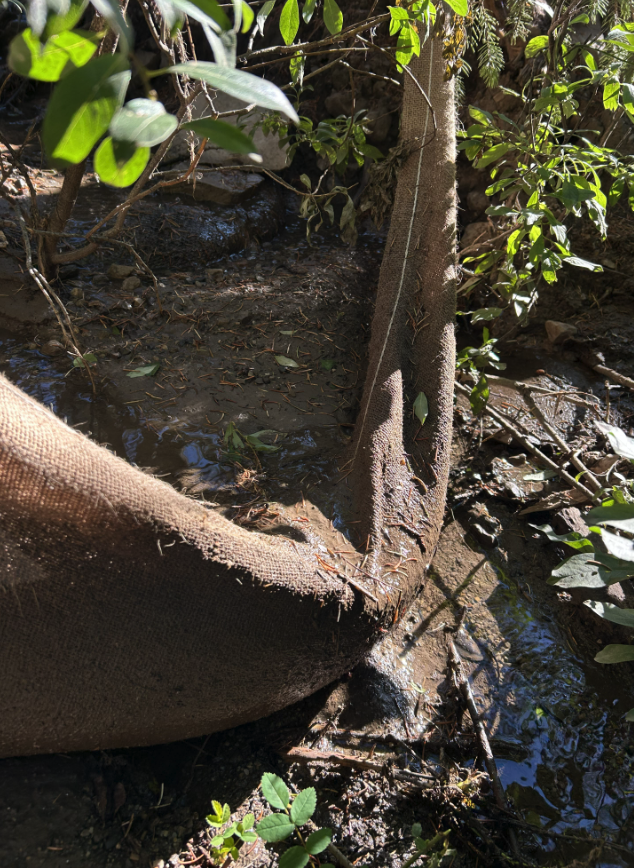
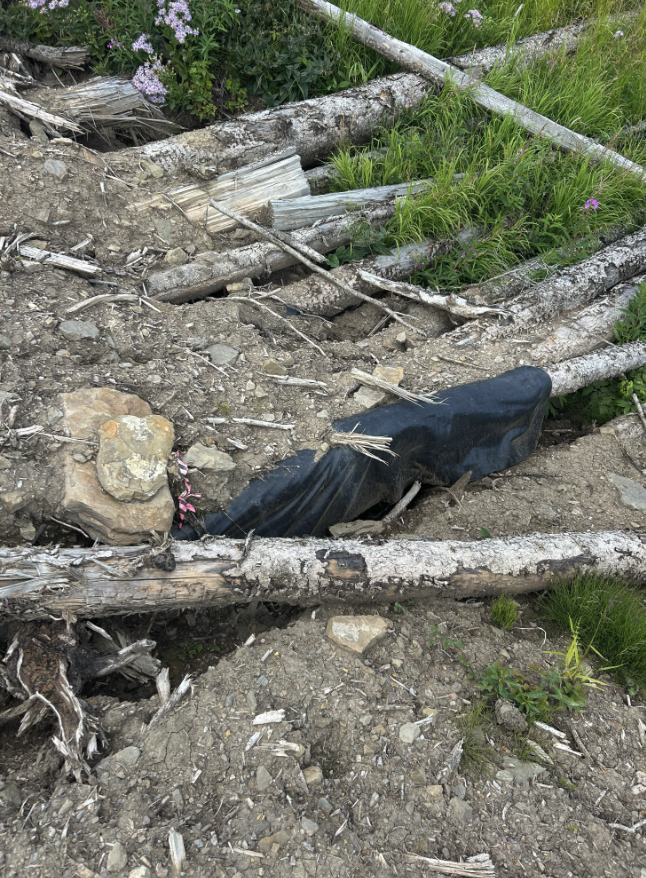
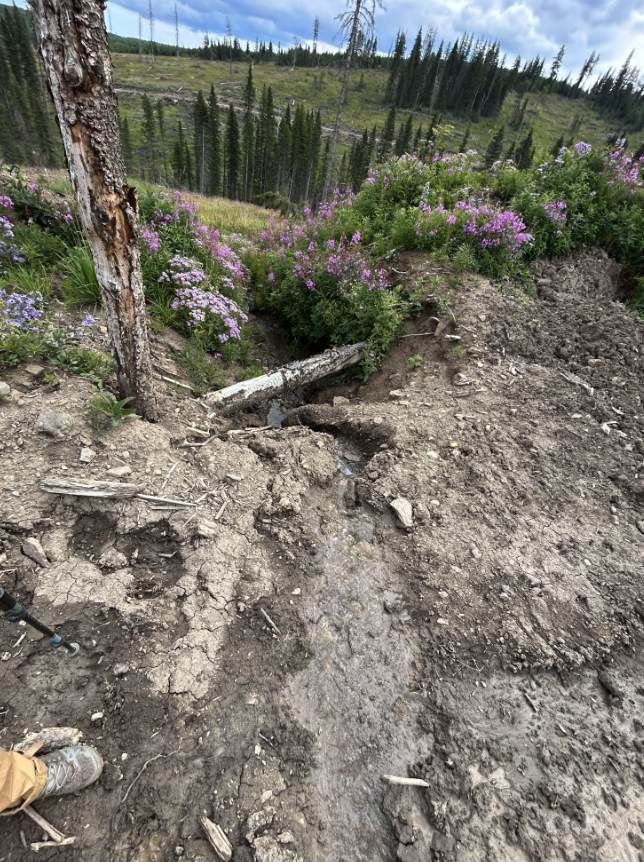
Regulations only work if they’re enforced, and currently they’re not.
More details are available in our newest storymap, which illustrates the scale of logging related erosion and sedimentation issues across southern Alberta.
More News
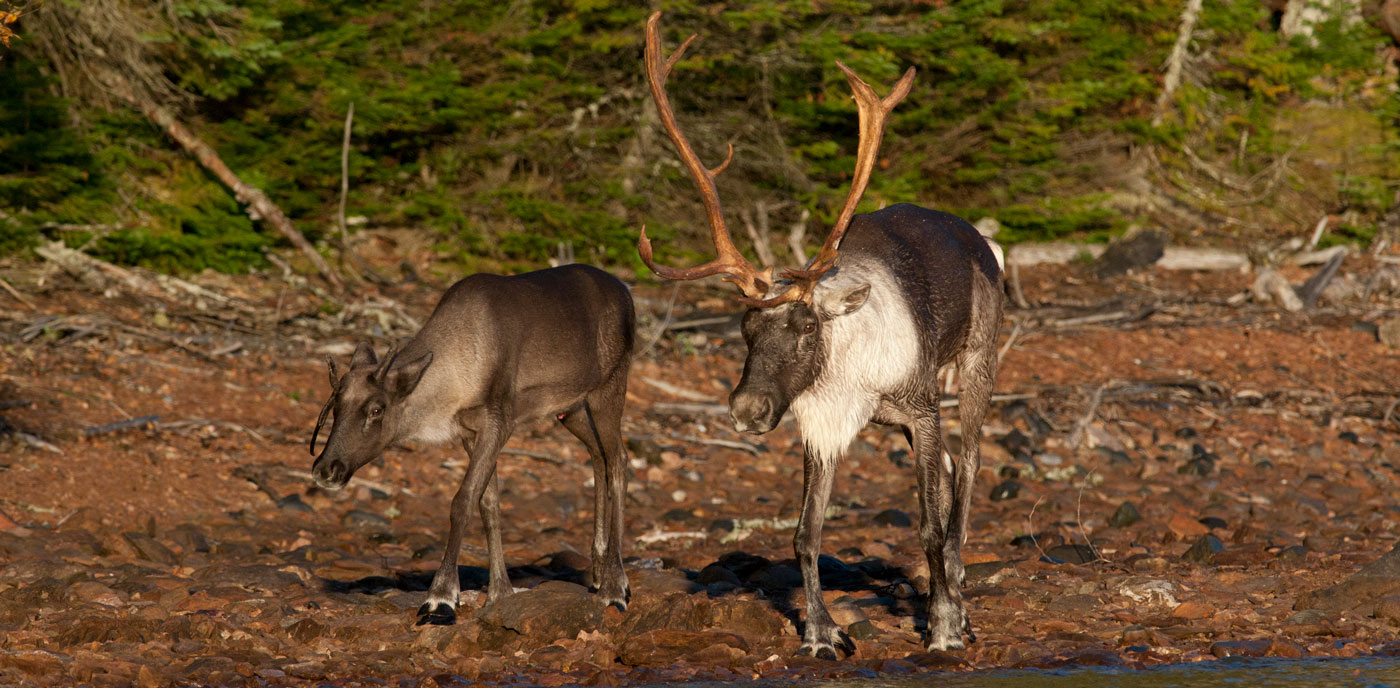
Draft Cooperation Agreement between Alberta and Canada Fast Tracks Project Approvals at the Expense of Public Interest and Accountability
‘One project, one review’ process for major projects will further degrade environmental safeguards and public participation.…
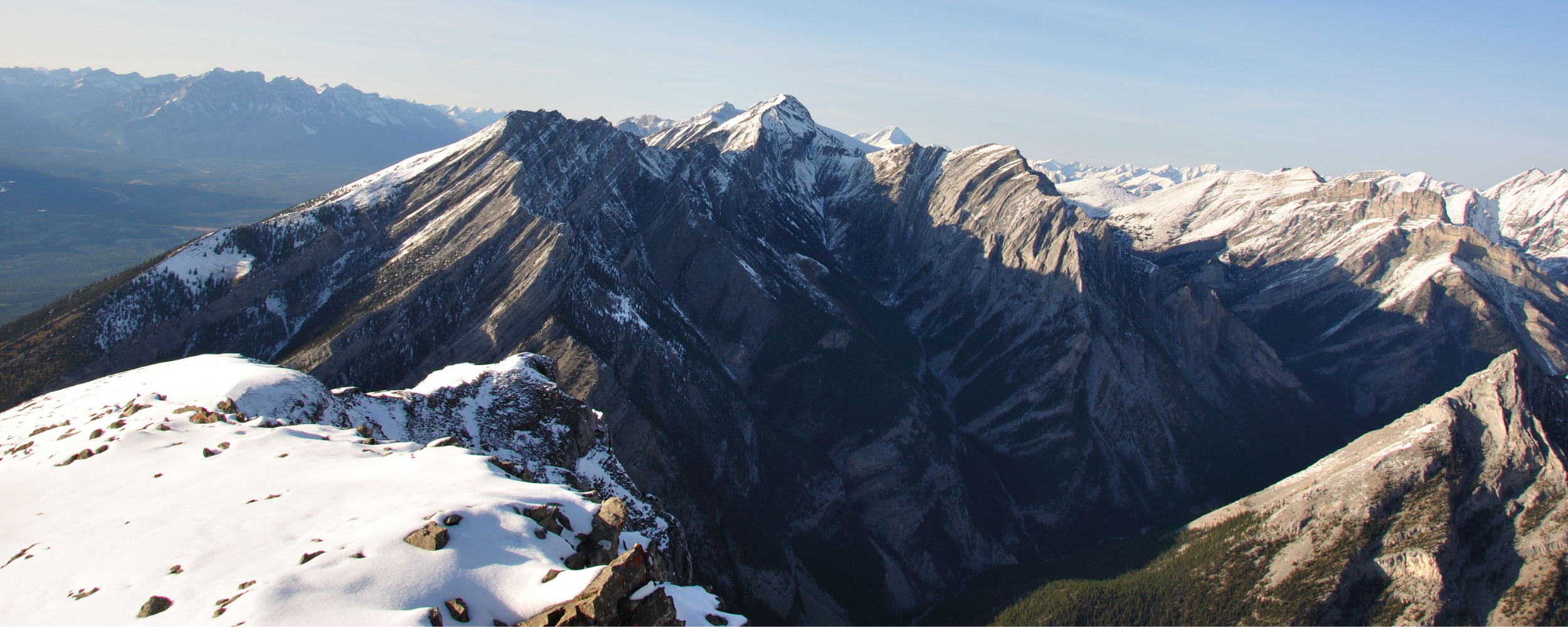
Bow Valley Wildland Provincial Park under threat from All-Season Resorts Act
Silvertip Gondola up Mount Lady Macdonald now being considered for designation under the All Season Resorts Act, removing provincial park land from…
2026 Alberta Budget: Our Thoughts
The Government of Alberta has released its 2026 Budget. Here’s our take.…