The Highwood bridge investigation: Why were there no charges?
Calgary | Mohkínstsis
July 27, 2026
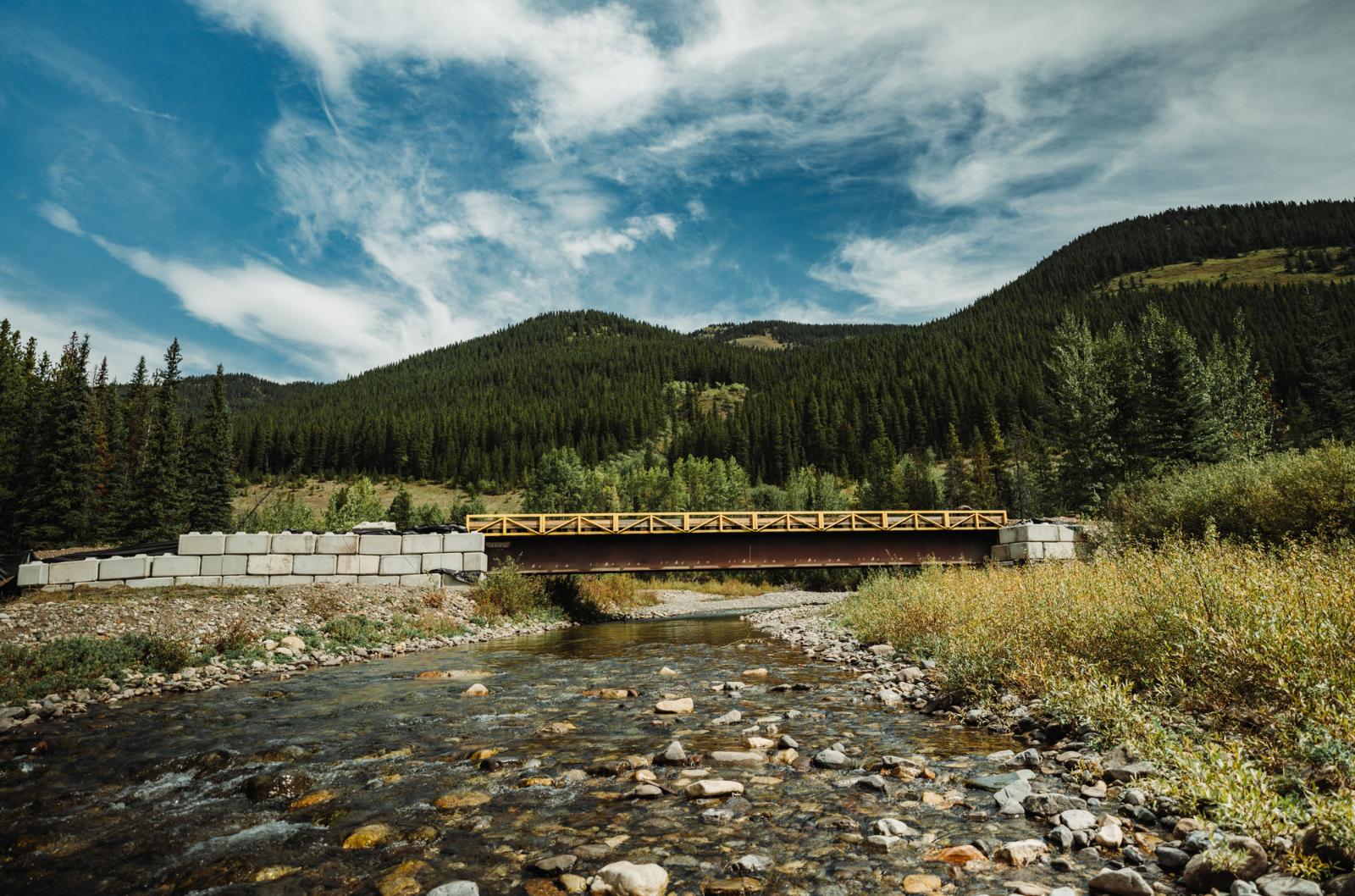
It’s now been over three years since a bridge was built illegally over the Highwood River for the purpose of logging operations access. At this time, this was widely reported on (see here, here, and here, for example). However, after a two-year investigation, no charges were brought against the company responsible.
It’s taken until now to be able to access information about what happened during the subsequent investigation by Fisheries and Oceans Canada (DFO) and understand why charges were not brought.
A Recap
The Highwood River is legally protected Critical Habitat for threatened Bull Trout. Habitat for the species is protected under the Species at Risk Act, meaning that it is illegal to destroy Critical Habitat, including riparian vegetation.
The installation of the Highwood Bridge did just that. DFO recognized this and opened a formal investigation. This led to the removal of the bridge and some attempts at reclaiming the damaged riparian area. However, no charges were brought, and DFO has since issued a permit for the bridge, meaning it can now be legally (re-)built.
So, what happened?
DFO Site Visit
After being made aware of the issue by members of the public, DFO visited the Highwood bridge site in September 2023. They confirmed that “the destruction of critical habitat for Bull Trout has occurred”. They also recorded that the erosion and sediment control measures that had been installed “were designed inappropriately” and were “placed inappropriately, sized inappropriately, and installed incorrectly”.
They also observed silt/fine sediment “collected on substrate within the floodplain”. This is important because sediment entering watercourses has a negative impact on bull trout ability to feed and reproduce successfully.
The Investigation
As the site visit made clear, illegal habitat destruction had occurred. DFO didn’t take long to identify the next steps — a corrective measures order (an instruction to the company to remove the bridge and start reclamation work) and an investigation into potential violations of the Fisheries Act and Species at Risk Act. The corrective measures order was issued quickly on September 29, 2023. DFO left themselves the option to pursue charges for breaches of the two acts.
It is worth noting that in 2024, we observed continuing erosion and sediment control failures still occurring at the site, even though the corrective measure order specifically required immediate action on erosion and sediment control measures.
Contesting the Corrective Measures Order
Spray Lake Sawmills, the owner of the operation at the time, contested the corrective measures order and began a judicial review against DFO in November 2023, arguing that the order should be quashed. It’s unclear how far this case proceeded, but it was withdrawn in September 2024, by which time Spray Lake Sawmills had been acquired by West Fraser and the bridge had been removed.
No Further Enforcement
In 2025, DFO’s branch responsible for enforcement, Conservation and Protection, closed the Highwood bridge file, confirming that “non-compliance with the Species at Risk Act did occur at the Highwood River crossing … and an investigation into potential violations under paragraph 58()1) of the Act was conducted.”
The following paragraph, describing the reasoning for this decision was redacted from our information request and it was stated that “C&P will be closing this file with no further enforcement action. Please be assured that this decision was not made lightly.”
However, we did find a comment in a partially redacted file review of the Highwood, which said that “C&P has recently opened multiple investigations into Critical Habitat destruction by West Fraser Cochrane in Alberta. Preliminary examination of these files has determined one of them is a viable option for charges. With short limitation periods under SARA, these files will require significant resources in the coming months to complete investigations and there is a risk of neglecting these files if Highwood remains the focus of our resources.”
Other Investigations?
We can’t be sure which investigations this letter refers to, but we did find that works at three crossings near the Livingstone River (Ridge, Deep, and Bruin Creeks), which CPAWS had referred to the department, were “referred to our Conservation and Protection Branch for investigation” in 2024. It’s unclear if these cases have led to charges.
It seems, then, that DFO did not press charges, not because the contravention of the act wasn’t confirmed, but instead because of a lack of resources.
What’s Next for the Highwood?
It’s profoundly frustrating that even in the face of the clear evidence that Critical Habitat destruction occurred illegally at the Highwood bridge site, no charges were brought against the company responsible. This evidence was explicitly acknowledged by DFO.
We will continue our work to hold regulators and industry to accountable – especially because we know that without effective monitoring and enforcement, we’ll continue to see Critical Habitat destruction occurring, making it increasingly difficult to recover these species.
Furthermore, DFO has now issued a permit for the Highwood bridge, meaning it can be re-built legally. This is justified based on a proposed offsetting project that will attempt to restore unauthorized OHV (Off-Highway Vehicle) crossings in other watersheds.
We are highly doubtful that this plan can offset the risk to bull trout from the logging operation’s roads and stream crossings, or even that offsetting is at all appropriate for a species at risk given limited remaining habitat and a high risk of failure associated with offsetting projects.
Keep an eye out for our next post, which will discuss the changes made to the proposed logging plan as a result of our Ecohydrology Study and ongoing fieldwork.
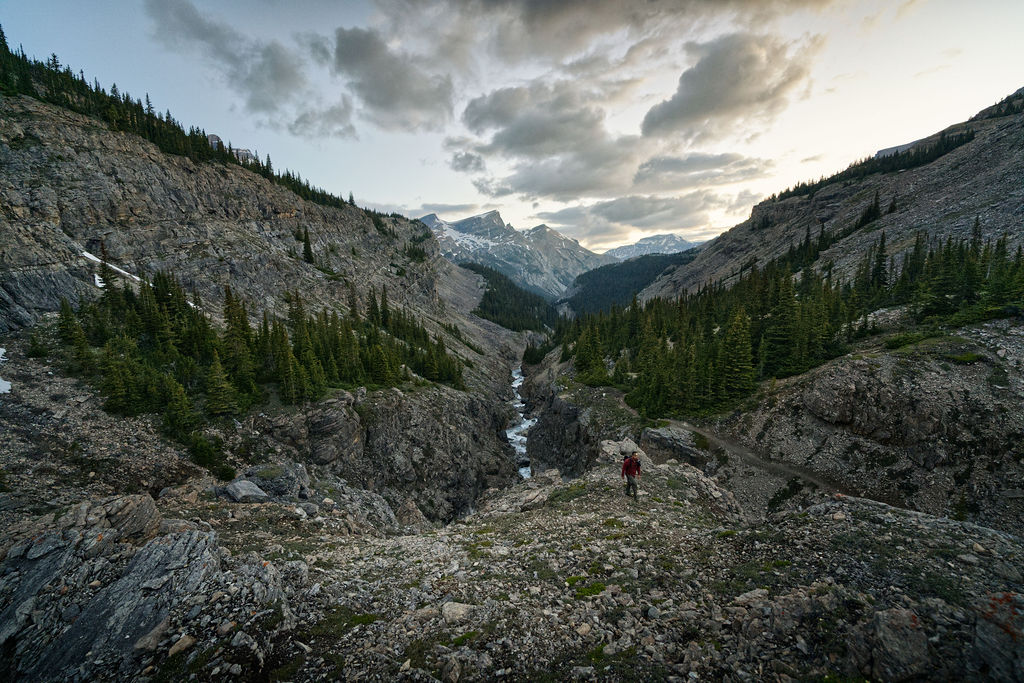
Photo Credit: Amber Payliss
More News
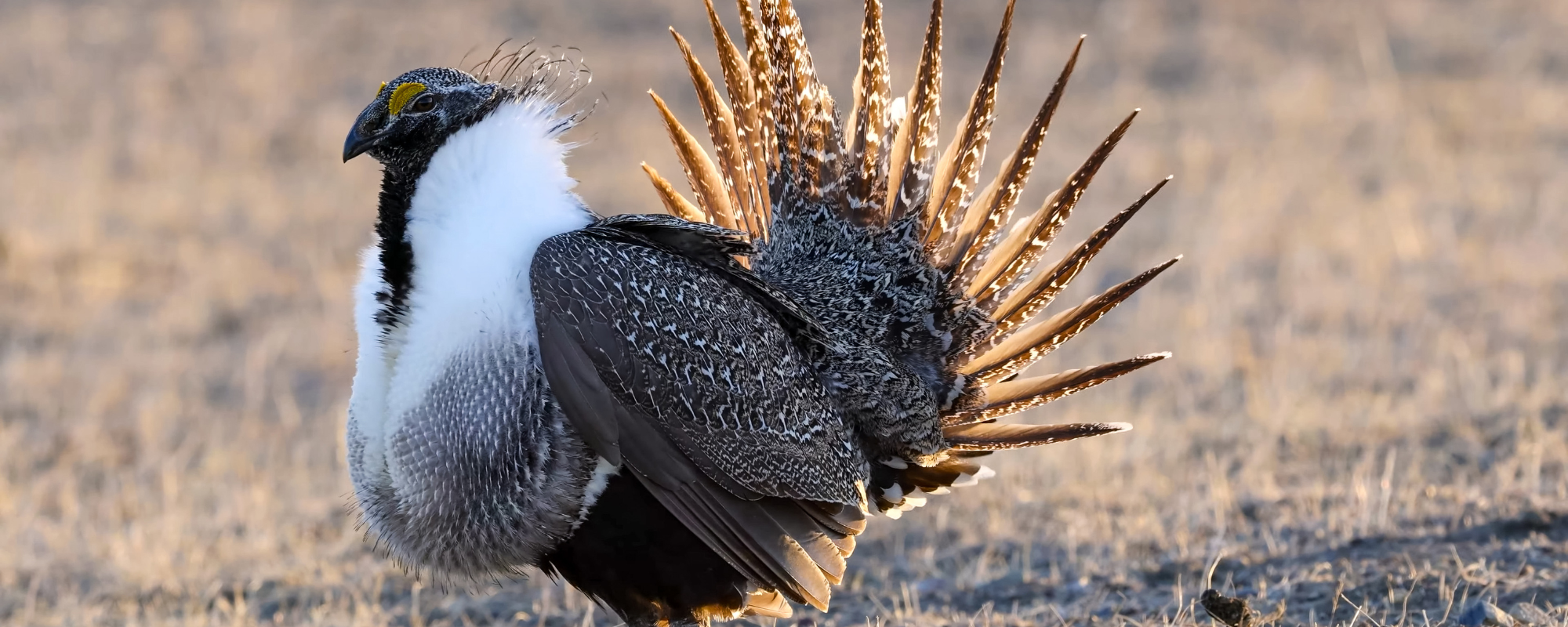
Government of Alberta quietly lifts restrictions protecting endangered Greater Sage-Grouse
Provincial habitat protections for the endangered Greater Sage-Grouse have been removed…
Implementation Pathways for Sustainable Tourism in Alberta
Tourism proposals should consider cumulative effects, wildlife movement, species at risk, human-wildlife coexistence, and impacts throughout the entire project lifecycle.…
Six Guiding Principles for Sustainable Tourism in Alberta
Not every landscape can accommodate the same level of use — nor an ever-increasing level of use…