What is Biodiversity?

Biological diversity — or biodiversity — is the variety of life around us, from the genetic diversity within a species to the many species, populations, and ecosystems that exist globally. Biodiversity is what makes ecosystems healthy, and diverse ecosystems provide the food, water, medicine and other resources we rely on. Healthy ecosystems also play an important role in climate resilience and our economy. More than half of global GDP depends on nature; more than a billion people rely on forests for their livelihoods; and lands and oceans absorb more than half of the carbon emissions produced by human activities.1
Yet biodiversity is in crisis, both globally and here in Canada. The global Living Planet Index estimates that the average size of monitored wildlife populations declined by 73% between 1970 and 2020. In Canada, monitored vertebrate populations declined by 10% on average between 1970 and 2022, with 52% of the species tracked showing population declines.2 Strong, committed action is required to fight the biodiversity crisis, but it's not too late.
Biodiversity in Alberta

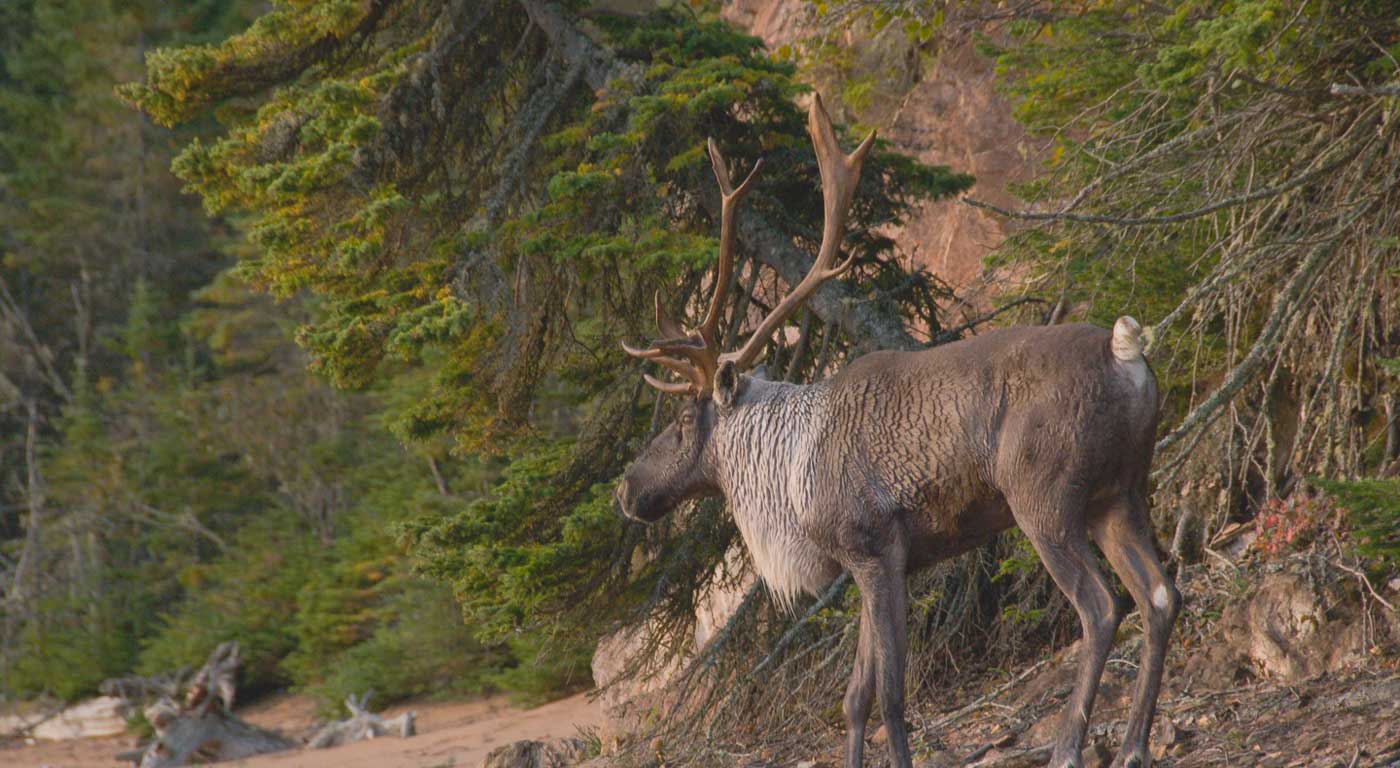
Alberta is home to hundreds of species at risk, including native trout, woodland caribou, grizzly bears and greater sage-grouse.
Maintaining their presence on the landscape — and the important roles they play in their ecosystems — requires healthy, connected populations, and enough genetic diversity for them to adapt to changing conditions.
biodiversity in alberta
Alberta's Natural Regions
In addition to protecting individual plant, animal, and fungal species, biodiversity conservation involves protecting the wide variety of ecosystems found around the world.
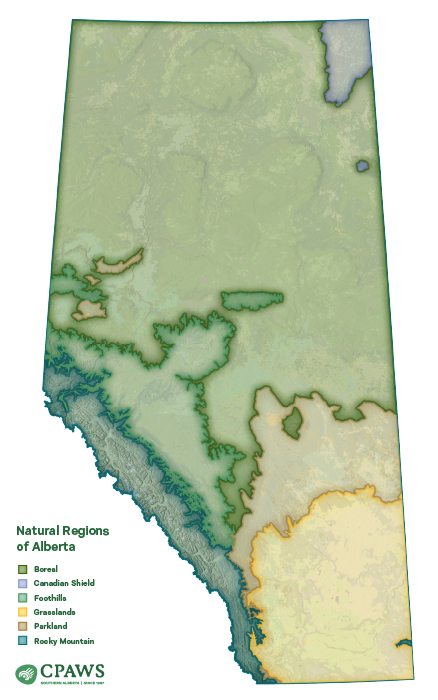
Alberta is home to six major ecosystem types, called Natural Regions: Grasslands, Foothills, Rocky Mountain, Parkland, Boreal Forest, and Canadian shield.
Maintaining the species, populations, and genetic diversity within these ecosystems is what keeps them healthy.
Grasslands
Alberta’s Grassland Natural Region stretches from the Rocky Mountain foothills to the Saskatchewan border, covering nearly 96,000 km² of prairie. A variety of grasses are emblematic of this natural region, including Blue Grama, Needle-and-thread Grass and Plains Rough Fescue, as are plants like cottonwoods, sagebrush, wild roses and prairie crocus. This natural region is home to approximately 80% of Alberta's species at risk, yet just over 1% of Alberta’s natural grasslands are protected. Native prairie continues to face pressure from cultivation, development and habitat fragmentation.
Characteristic species: Prairie Crocus, Prairie Coneflower, Baird’s Sparrow, Sprague’s Pipit, Chestnut-collared Longspur, Richardson’s Ground Squirrel, Porcupine, Mule Deer, White-tailed Deer, Pronghorn Antelope, Spadefoot Toad, Northern Leopard Frog, Wandering Garter Snake.
At-risk Species include: Burrowing owl, greater sage-grouse, ord's kangaroo rat, greater short-horned lizard, small-flowered sand-verbena, and yucca moth.
Parks & Protected Areas include: Dinosaur Provincial Park, Milk River Natural Area, Taber Provincial Park.
Foothills
Alberta’s Foothills Natural Region lies between the Rocky Mountains and the Boreal Forest, with rolling hills, forests, river valleys and cold-water streams. Aspen, lodgepole pine and white spruce forests provide habitat for iconic Alberta wildlife including elk, moose, cougars and bull trout. The Foothills is under pressure from forestry, industrial development and habitat fragmentation, making the protection of intact landscapes and watersheds essential for biodiversity and healthy ecosystems.
Characteristic species: Pileated Woodpecker, Flying Squirrel, Red Squirrel, Cougar, Elk, Bull Trout.
At-risk species include: Woodland Caribou and Bull Trout.
Parks & Protected Areas include: Don Getty Wildland Provincial Park, Bob Creek Wildland Provincial Park, and Blackstone-Wapiabi Wildland Provincial Park.
Rocky Mountain
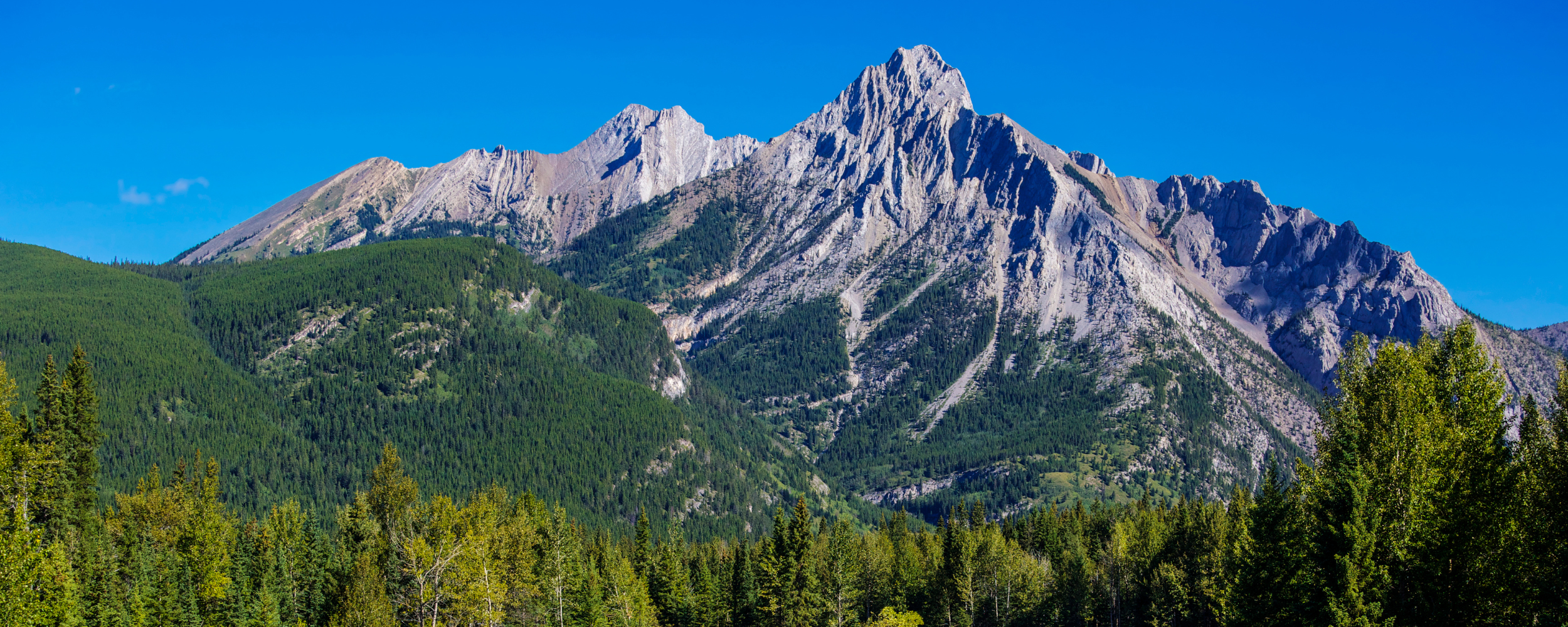
Alberta’s Rocky Mountain Natural Region is characterized by rugged peaks, deep glacial valleys, coniferous forests and alpine meadows. White spruce, lodgepole pine and alpine wildflowers thrive across these high elevations, and provide habitat for iconic wildlife such as Bighorn Sheep, Mountain Goats, Elk and Grizzly Bears. These landscapes protect important headwaters and support exceptional biodiversity, but wildlife and ecosystems face pressures from tourism, recreation, development and habitat fragmentation.
Characteristic species: Bighorn Sheep, Mountain Goat, Grizzly Bear, Pika, Hoary Marmot, Whitebark Pine, Alpine Forget-me-not, Bull Trout, Woodland Caribou (Central Mountain Designatable Unit), Westslope Cutthroat Trout.
At-risk species include: Woodland Caribou, Bull Trout, Westslope Cutthroat Trout and Whitebark Pine.
Parks & Protected Areas include: Banff National Park, Jasper National Park, Waterton Lakes National Park, Peter Lougheed Provincial Park, and Bow Valley Wildland Provincial Park.
Parkland
Alberta’s Parkland Natural Region is a landscape of aspen woodlands, open grasslands, wetlands and lakes, forming a transition between the southern grasslands and the northern boreal forest. Trembling aspen, saskatoon, chokecherry and native grasses provide habitat for wildlife, while wetlands are a globally important breeding and migratory stopover area for waterfowl, shorebirds, and landbirds. The greatest threat to this natural region is its conversion into agricultural lands.
Characteristic species: White-tailed Deer, Coyote, Snowshoe Hare, Blue Jay, Northern Flicker, Plains Garter Snake.
At-risk species include: Piping Plover, Ferruginous Hawk, Loggerhead Shrike and Northern Leopard Frog.
Parks & Protected Areas include: Elk Island National Park, Miquelon Lake Provincial Park, Cooking Lake–Blackfoot Provincial Recreation Area, and Glenbow Ranch Provincial Park.
Boreal Forest
Alberta’s Boreal Forest Natural Region stretches across much of northern Alberta, with vast forests, wetlands, bogs, and fens that make up 58% of the province's landscape. White spruce, black spruce, jack pine, lodgepole pine, larch and aspen dominate the landscape, with quintessential plants like bog cranberry and labrador tea in the understory. Forestry, oil and gas development, roads and wildfires can fragment habitat and affect these ecosystems, making the protection of intact forests and wetlands important for biodiversity and climate resilience.
Characteristic species: Bog Cranberry, Round-leaved Sundew, Palm Warbler, Bay-breasted Warbler, Canada Lynx, Snowshoe Hare, Arctic Grayling, Canadian Toad.
At-risk species include: Woodland Caribou, Whooping Crane, Canada Warbler, Common Nighthawk and Olive-sided Flycatcher.
Parks & Protected Areas include: Wood Buffalo National Park, Birch Mountains Wildland Provincial Park, Caribou Mountains Wildland Provincial Park, Kitaskino Nuwenëné Wildland Provincial Park and Lakeland Provincial Park.
Canadian Shield
Alberta’s Canadian Shield Natural Region occupies a small area in the province’s northeast, characterized by exposed granite bedrock, glacial deposits, lakes, wetlands and sparse boreal forest. Black spruce, jack pine and lichens grow among the rocks, while the region’s lakes and forests provide habitat for Moose, Woodland Caribou, Beaver and Common Loon. These ancient landscapes hold ecological and cultural significance, but mining, industrial development and climate change impact their sensitive ecosystems. Protecting intact habitats and watersheds helps conserve the region’s distinctive biodiversity.
Characteristic species: Bearberry, Labrador Tea, lichen communities, Bonaparte’s Gull, Common Tern, Boreal Chickadee, Moose, Beaver, Gray Wolf, Canada Lynx, Wood Frog, Canadian Toad, Northern Pike, Walleye, Shortjaw Cisco.
At-risk species include: Woodland Caribou and species of migratory birds at risk, including the Canada Warbler.
Parks & Protected Areas include: portions of Wood Buffalo National Park, Richardson Wildland Provincial Park and other protected lands in northeastern Alberta.
Key Threats to Alberta's Biodiversity
The causes of biodiversity loss are complex, layered, and cumulative. Globally, primary threats include habitat loss and fragmentation, climate change, pollution, overexploitation, invasive species, and changes in land use driven by industrial development and agriculture.
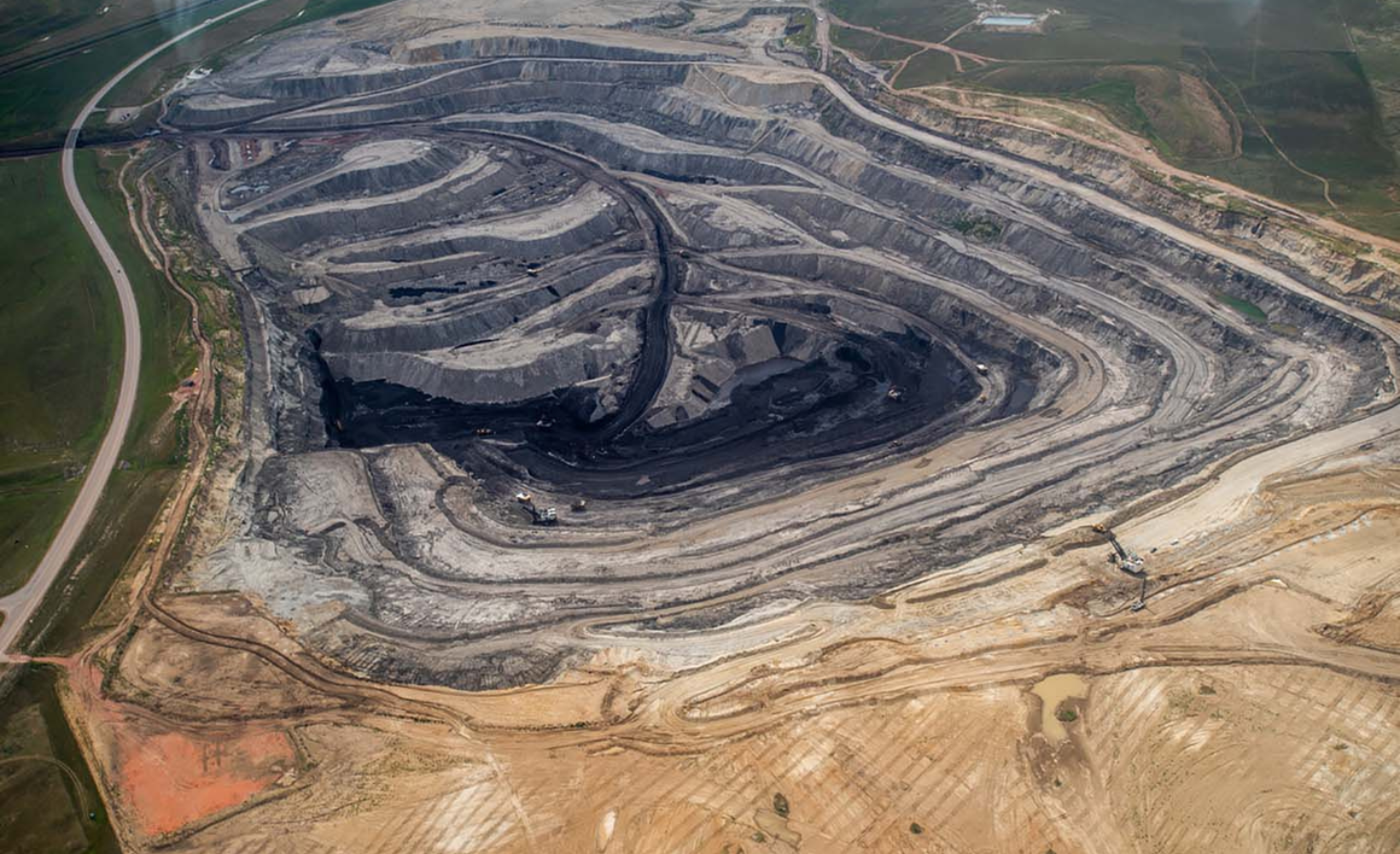
In Southern Alberta specifically, coal activity, unsustainable forestry practices, and the erosion of parks and protected areas through the All-Season Resorts Act, all pose significant threats to the region’s rich diversity of species and ecosystems.
biodiversity in CANADA
NATIONAL BIODIVERSITY STRATEGY
In 2022, nearly 200 countries adopted the Kunming–Montréal Global Biodiversity Framework at COP15 in Montreal, committing to halt and reverse biodiversity loss by 2030. The participating countries, including Canada, agreed to develop their own national strategies to implement the global framework outlined in the agreement, and to meet its targets.
In June 2024, Canada's federal government released Canada’s 2030 Nature Strategy, outlining how Canada intends to implement the framework through coordinated action across governments and sectors. However, meaningful progress depends on collaboration with provinces and territories, which have significant responsibility for managing land, wildlife and natural resources.
Alberta has not committed to the federal strategy’s biodiversity targets, and is choosing to develop its own provincial nature strategy instead. However, Alberta has yet to release a Nature Strategy and has made troubling and misleading claims that overstate the province's progress on biodiversity commitments. The province also introduced the All-Season Resorts Act in 2024, which has led to protections being removed from over 1,000 hectares of land in the parks and protected areas system, and it quietly lifted restrictions protecting endangered Greater Sage-Grouse in 2026.
Protecting parks and protected areas, conserving wildlife habitat, and strengthening protections for species at risk remain key ways to advance the global goal of halting and reversing biodiversity loss by 2030.
LEARN MORE
Related Articles
Survey Guide: Ghost-Kananaskis Sub-regional Plan Engagement
The issue with CIMI: There’s no modernizing coal