
Six Guiding Principles for Sustainable Tourism in Alberta
Mohkinstsis/Calgary, Alberta
September 22, 2026
Written by: Emma Hoskins, CPAWS Southern Alberta Conservation Campaign Specialist
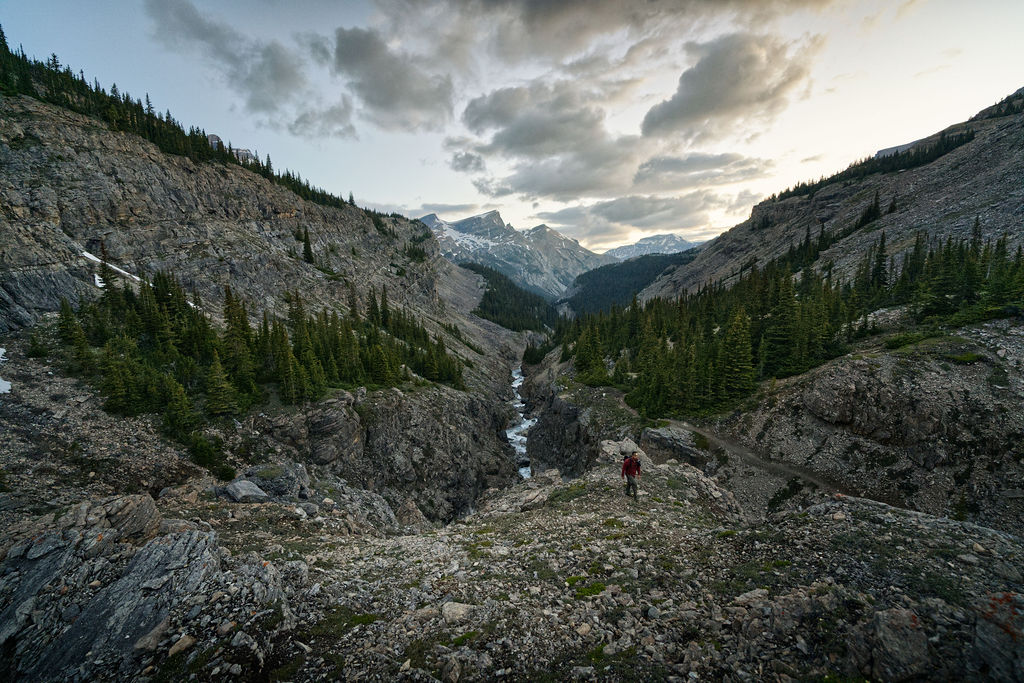
Photo Credit: Mitch Leong
We recently wrote about the importance of visitor use management and land use planning in supporting responsible tourism growth in Alberta. But truly sustainable tourism requires a holistic approach to how tourism is planned, developed, and experienced across Alberta.
If the province wants to build a tourism sector that can succeed long-term, and in the face of the twin crises of biodiversity and climate, economic growth cannot be considered in isolation from environmental integrity, community well-being, Indigenous and Treaty Rights, and the singular, irreplicable experiences that draw people to Alberta.
The United Nations World Tourism Organization identifies three interconnected pillars of sustainable tourism: Environmental integrity, socio-cultural authenticity, and economic viability and equity. Together, these pillars recognize that tourism cannot be sustainable if the environmental or social foundations of the sector are harmed by visitation.
Drawing from the United Nation’s pillars, we believe the following guiding principles must inform tourism decision-making, planning, and growth in Alberta in order to be sustainable:
- Holistic Planning
- Ecological Integrity
- Reconciliation
- Community-driven decision making
- Accessibility and equity
- Sustainable Local Benefits
Collectively, these principles aim to enhance natural ecosystems, support local communities, and maintain visitor appeal. These principles should guide all planning and decision-making in Alberta’s tourism industry, to support a holistic approach to sustainable tourism that serves both the environment and Albertans.
1. Holistic planning
A new resort, attraction, road, or recreation facility does not exist, or operate, in isolation to its environment. Its effects can (and will) extend beyond the project’s footprint, influencing surrounding land uses, infrastructure, communities, and wildlife.
Planning must therefore ‘zoom out’ in order to assess the cumulative effects of numerous activities on a landscape, considering how proposed developments fit — or don’t fit, for that matter — within the landscape’s other uses, its ecological carrying capacity, and the wants or needs of any communities within it.
The simple truth is that a development, like an All-Seasons Resort, might not fit. It might cause too much noise, disrupt Critical Habitat for at-risk species, or exceed the environmental limitations of an already-stressed region such as Kananaskis Country. It can’t be forced to fit.
If government, or planning bodies, try to force increased visitation or tourism development into an area where it’s ill-suited, the result will in all likelihood be long-term harm, and the degradation of, a landscape that once drew people to it.
In practice, ‘zooming out’ means integrating tourism into Alberta’s existing regional, sub-regional, and issue-specific land use planning processes and aligning decisions with legislation such as the Alberta Land Stewardship Act, Environmental Protection and Enhancement Act, and the Public Lands Act.
Taking this holistic approach can help identify where tourism development is appropriate, where it may conflict with other values, and where additional development may not be suitable.
2. Ecological integrity
Not every landscape can support the same level or type of development and visitation. Some areas may be well-suited to concentrated recreation and infrastructure, while others may contain sensitive ecosystems or ecological values that require greater protection.
These considerations should shape planning from the outset. Identifying sensitive areas and important ecological values early ensures decisions about where development occurs are informed by environmental objectives, rather than relying primarily on mitigation after a project has already been proposed. It also means considering impacts across a landscape instead of assessing them only within the boundaries of an individual project.
3. Reconciliation
The entirety of Alberta’s visitor economy operates on the traditional lands of Indigenous Peoples, whose relationships with these lands and waters long predate that of industry, government, and most Albertans.
Respecting Indigenous and Treaty Rights must therefore be part of sustainable tourism planning. This includes supporting Indigenous-led tourism opportunities — for example, through direct funding initiatives, or co-management of parks and protected areas, or the advancement of Indigenous Protected and Conserved Areas — and creating meaningful space for Indigenous values and knowledge to lead, and be incorporated into, decision-making.
Indigenous Peoples should have opportunities to determine how tourism develops on their lands and waters, and how their cultures and knowledge are represented before projects are proposed, or decisions are made. This requires honouring Treaty and recognizing Indigenous Peoples as first rights holders, as well as essential partners in shaping the future of tourism.
4. Community-driven decision-making
The impacts of tourism are experienced most directly by the people who live in destination communities. Tourism growth can bring employment, investment, and new opportunities, but it can also place pressure on housing, infrastructure, transportation, public services, and community life. Local perspectives are therefore essential to understanding whether and how additional development can work in a particular place.
Engagement should happen early enough to influence decisions, with transparent processes that show how public input has been considered and how it has shaped a project’s parameters. Communities should have a genuine role in shaping tourism development that affects their daily lives and community sentiment — and engagement with them shouldn’t be treated as a ‘box to check.’
5. Accessibility and equity
Accessibility should be considered from the beginning of tourism and recreation planning, while recognizing that not every landscape, trail, or experience can or should be made accessible in the same way. Different places have different environmental, geographic, and practical considerations, and accessibility planning should reflect those realities.
Considering accessibility from the beginning of planning can create more opportunities for people of different ages and abilities to experience the province. Where appropriate, this includes incorporating barrier-free infrastructure and recreation opportunities into new development.
Accessibility stretches far beyond ensuring infrastructure can fit wheelchairs of all shapes and sizes or incorporating ramps. Accessibility additionally must accommodate how someone moves about a place, including connectivity between all buildings and recreation opportunities, accessible trails, bathroom access and more. Some locations may be more appropriate and safer for this access than others.
Equity also means considering who benefits from tourism investment and who has access to the experiences being developed. A growing visitor economy should create opportunities for Albertans to enjoy their own province alongside efforts to attract visitors from elsewhere.
6. Sustainable local benefits
The economic value generated by tourism does not automatically remain in the communities where visitors spend their time. Adding more infrastructure on the landscape further risks undermining the long-term local guides and outfitters who have operations in these mountains for decades.
Supporting locally owned and Alberta-owned and operated businesses can help retain more tourism spending within local economies and create opportunities for local entrepreneurs. Encouraging sustainable business practices can also help ensure that economic activity remains viable over the long term.
Visitor numbers and total spending are important measures of economic activity, but they do not tell the whole story. We must also take into account whether tourism is creating lasting benefits for the communities where it occurs and creates long-term sustainable job opportunities.
A more complete approach to tourism growth
These principles are intended to work together. Holistic planning creates the framework for considering environmental, economic, social, and cultural factors at the same time. Ecological integrity establishes environmental priorities, while reconciliation brings Indigenous rights and leadership into the process. Community engagement brings local knowledge into decision-making, and accessibility and equity consider who can participate.
Together, these guiding principles move the conversation beyond visitor numbers and individual development projects toward a holistic vision for what a sustainable tourism sector can look like. As Alberta pursues tourism growth, these principles can help guide decisions about where tourism should occur, how it should be developed, and how its benefits and impacts should be managed. This approach can allow the province to grow its tourism economy while maintaining the environmental, cultural, and community values that make Alberta a world-class destination in the first place.
More Blog Posts
Six Guiding Principles for Sustainable Tourism in Alberta
Not every landscape can accommodate the same level of use — nor an ever-increasing level of use…
Silvertip Gondola All-Season Resort Area Designation Undermines the Future of Provincial Parks
This decision removes protected land from Bow Valley Wildland Provincial Park, allowing private development in an essential area for wildlife…
Can there be too many people on the land?
Not every landscape can accommodate the same level of use — nor an ever-increasing level of use…