No to Silvertip Gondola: Protect Alberta’s Parks and the Bow Valley
Mohkinstsis/Calgary, Alberta
November 12, 2026
The proposed Silvertip Gondola is now under provincial review. Albertans have until November 26, 2026, to tell the Government of Alberta why this development should not proceed. Click here to participate in the public feedback process.
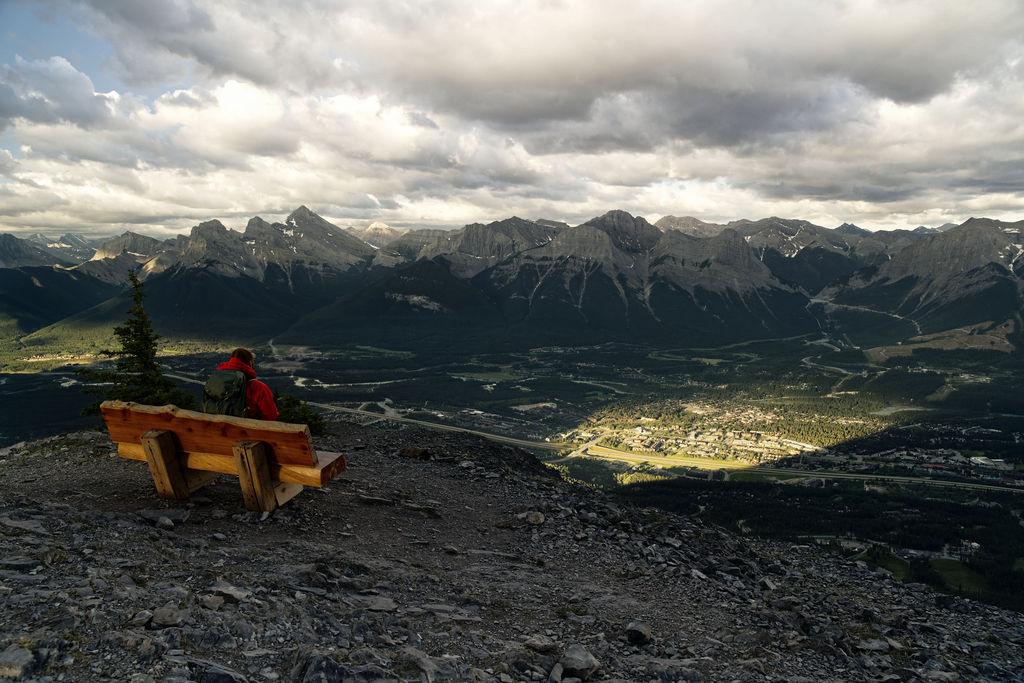
In September 2026, the Government of Alberta designated the Mount Lady MacDonald All-Season Resort Area under the All-Season Resorts Act, removing protected-area status from portions of Bow Valley Wildland Provincial Park and amending the South Saskatchewan Regional Plan to enable commercial development. The newly designated area, where the Silvertip gondola has now been proposed, overlaps the Upper and Lower Silvertip Wildlife Corridors, which connect Banff National Park to Kananaskis Country.
Alberta’s parks and protected areas exist to conserve important landscapes, protect wildlife habitat, and maintain ecological integrity for generations. They should not be reduced or reconfigured to accommodate inappropriate and private commercial development.
The Silvertip Gondola proposal raises serious concerns about wildlife connectivity and the cumulative environmental pressures within the Bow Valley, as well as the future of Alberta’s protected areas system. CPAWS Southern Alberta is urging the Government of Alberta to reject the proposal and protect Bow Valley Wildland Provincial Park.
Key Concerns
Weakening of Alberta’s protected areas system
Bow Valley Wildland Provincial Park was established to conserve a large, undeveloped landscape and to protect its ecological features and functions. Removing parkland to enable commercial development that would otherwise not be permitted within a provincial park undermines that purpose.
Changing protected-area boundaries to accommodate private commercial interests sets a dangerous precedent and weakens the long-term security of Alberta’s parks system. Protected areas should not lose their protection simply because a development proposal is brought forward, nor should a development proposal be able to alter the boundaries of a park or protected area.
Further compromising wildlife connectivity
The proposed development overlaps with the Upper and Lower Silvertip Wildlife Corridors, an important connection between Banff National Park and Kananaskis Country. The area supports movement for grizzly bears, cougars, bighorn sheep, and other wildlife.
The Bow Valley has already experienced significant habitat loss and fragmentation. Up to 85% of high-quality wildlife habitat in the Bow Valley has been lost due to human activity. Additional infrastructure, year-round visitation, noise and recreation could further reduce habitat security and disrupt wildlife movement through an already constrained area.
The proponent emphasizes that a gondola has a relatively small physical footprint compared with other forms of development. However, the footprint of the infrastructure alone does not capture its full ecological impact. Towers, terminals and supporting infrastructure, along with construction activity, noise, visual disturbance, increased human presence and changes in recreation patterns can all affect wildlife well beyond the immediate development footprint. Even where animals can physically pass beneath or around gondola infrastructure, repeated disturbance can affect whether wildlife continues to use the corridor.
A wildlife corridor that remains physically open is not necessarily one that remains functional for wildlife. Protecting connectivity requires considering how wildlife respond to human activity across the broader landscape, not simply how much ground the infrastructure occupies.
Cumulative pressures across the Bow Valley
The Bow Valley is a connected landscape where wildlife and ecosystems are affected by the combined pressures of development, recreation, tourism, and human activity. The project’s Environmental Assessment does not provide a comprehensive regional cumulative effects assessment. Instead, it considers the project’s incremental contribution. This misses the bigger picture that individual developments can collectively compromise wildlife habitat and ecological integrity, even when their site-specific impacts appear manageable.
Putting tourism growth ahead of ecological limits
Alberta has set ambitious goals to grow its tourism economy, but growth cannot come at the expense of the landscapes and wildlife that make the province special.
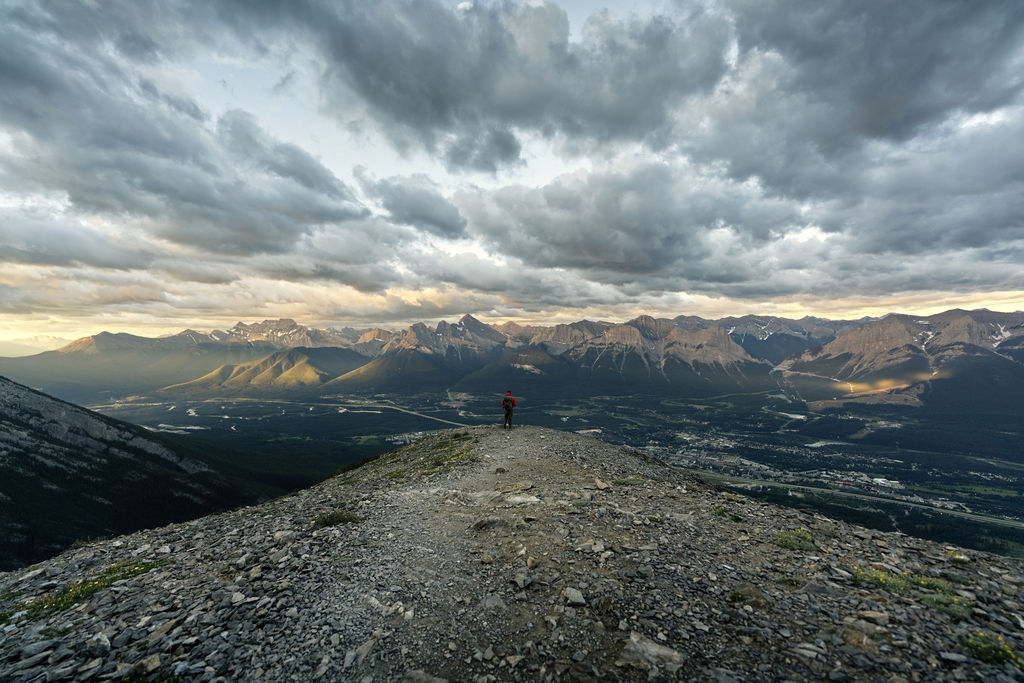
The proposed development would introduce additional tourism infrastructure and visitor activity into a popular recreation area, including the Lady MacDonald trail network. The MDP identifies a potential ‘Comfortable Carrying Capacity’ of 5,064 guests per day in spring and summer, and 3,683 in fall and winter. These are modeled capacity figures, not forecasts of actual daily visitation, but they demonstrate the scale of use the development is designed to accommodate in addition to the recreationists already present in the area. We do not see these figures as reasonable, particularly given the strain the Bow Valley and its animal inhabitants are already facing.
Tourism development must be directed to appropriate locations and managed within ecological limits. Not every landscape should be developed simply because it attracts visitors.
What is CPAWS calling for?
CPAWS Southern Alberta is urging the Government of Alberta to:
- Reject the Silvertip Gondola application and prevent further commercial development from compromising Bow Valley Wildland Provincial Park.
- Uphold the purpose and integrity of Alberta’s parks and protected areas rather than changing their boundaries to facilitate private development.
- Protect the Upper and Lower Silvertip Wildlife Corridors and the broader network of wildlife habitat connecting Banff National Park and Kananaskis Country.
- Prioritize landscape-level land-use planning, cumulative effects management and ecological limits in future Bow Valley development decisions.
Have your say
Public comments close November 26, 2026.
Visit the Government of Alberta’s All-Season Resorts Public Notice page, select ASR LADYMACDONALD 2026 – Silvertip Gondola, review the application documents (Master Development Plan, Environmental Assessment) and submit your comments.
You do not need to be an environmental expert to participate. You can speak to the importance of Alberta’s parks, the value of wildlife connectivity, the pressures facing the Bow Valley and why public lands should be protected for future generations.
Our shared public lands are not something to be casually or carelessly reconfigured for private gain. Protected areas must stay protected.
More Blog Posts
No to Silvertip Gondola: Protect Alberta’s Parks and the Bow Valley
The proposed Silvertip Gondola is now under provincial review. Albertans have until November 26, 2026, to tell the Government of…
Alberta’s Red Tape Reduction Conservation Initiative
What does “red tape reduction” really mean for conservation in Alberta? Here’s what the province has been up to recently.…
What are protected areas in Alberta for if they aren’t, actually, protected?
Is an area really protected in Alberta if its boundaries can be changed at the whim of a Minister?…